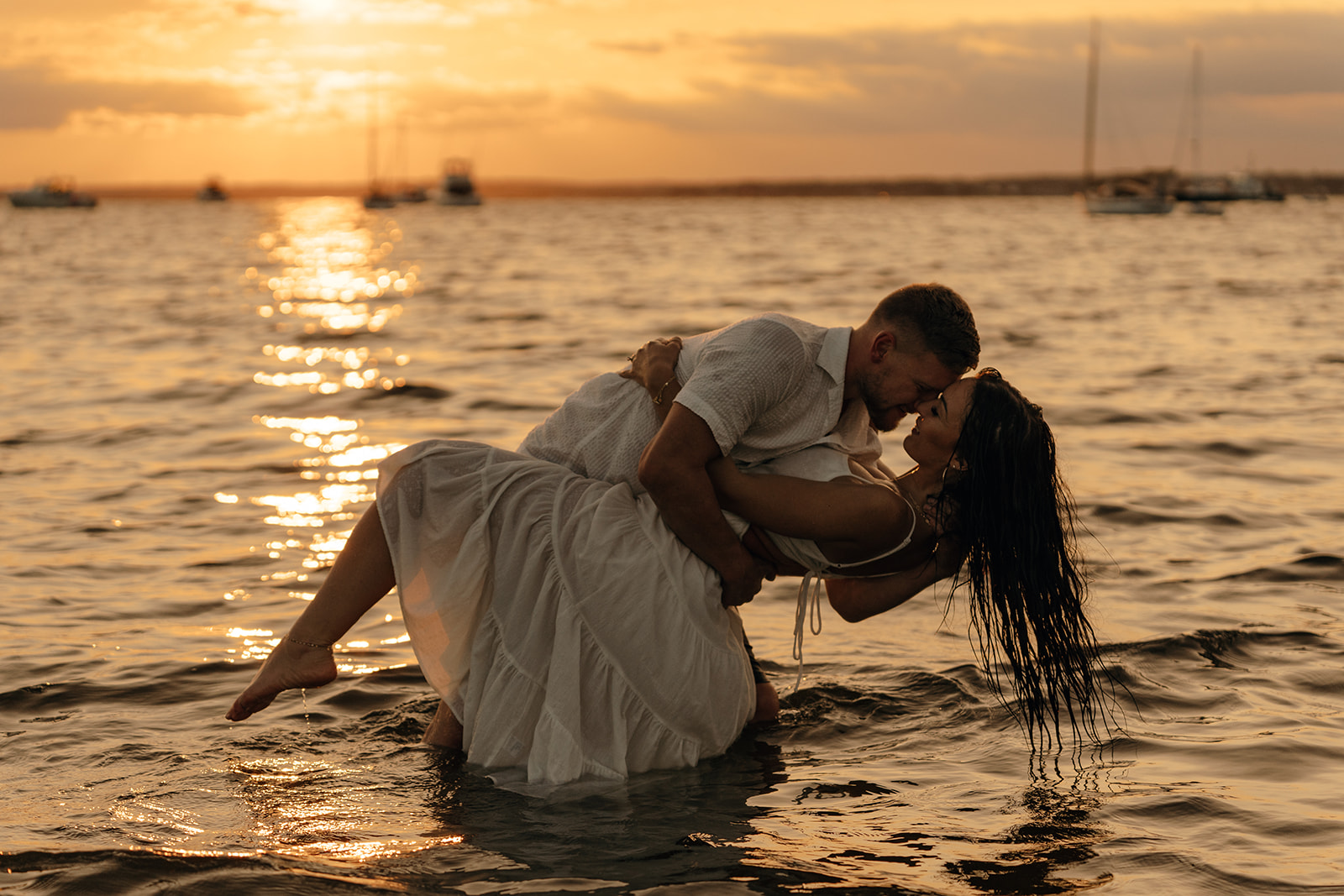
Rhode Island Beach Wedding: A Documentary Approach to Coastal Celebrations
When I picture a Rhode Island beach wedding, I think about ocean air, shifting light, and people gathering beside the water. I imagine a veil moving in the breeze, familiar faces watching the ceremony, and laughter carrying across the shoreline.
As a photographer, I love how coastal settings bring texture and movement into a wedding story. I look for the gestures, expressions, and relationships that give those surroundings personal meaning.
My documentary-inspired approach combines careful observation with gentle direction when couples need it. I want your photographs to capture the atmosphere of your celebration and the way you experienced it.
In this guide, I’ll share how I approach cinematic coastal photography and the practical decisions worth considering before your wedding.
Key Takeaways
- Documentary photography focuses on real relationships. I pay attention to interactions, expressions, and meaningful details throughout the celebration.
- Cinematic photographs use more than dramatic editing. Composition, perspective, light, and movement help create a cohesive visual story.
- Gentle direction can support natural portraits. Simple prompts give couples something comfortable to do without requiring rigid poses.
- Coastal conditions affect photography decisions. Wind, sunlight, shoreline access, and changing weather influence where and when portraits happen.
- Beach wedding logistics deserve early attention. Confirm ceremony permissions, accessibility, and photography access with the appropriate authority.
Table of Contents
- How I Photograph a Rhode Island Beach Wedding
- The Unscripted Moments I Look for at Coastal Weddings
- Creating Cinematic Beach Wedding Photos Without Stiff Posing
- How Ocean Light and Movement Shape Rhode Island Beach Wedding Photos
- When Gentle Direction Makes Beach Wedding Portraits Feel Natural
- Making Space for Documentary Photography in Your Beach Wedding Timeline
- Rhode Island Beach Wedding Logistics Worth Checking Before the Day
- Frequently Asked Questions About Rhode Island Beach Wedding Photography
- Your Rhode Island Coastal Wedding Story, Told Naturally
How I Photograph a Rhode Island Beach Wedding
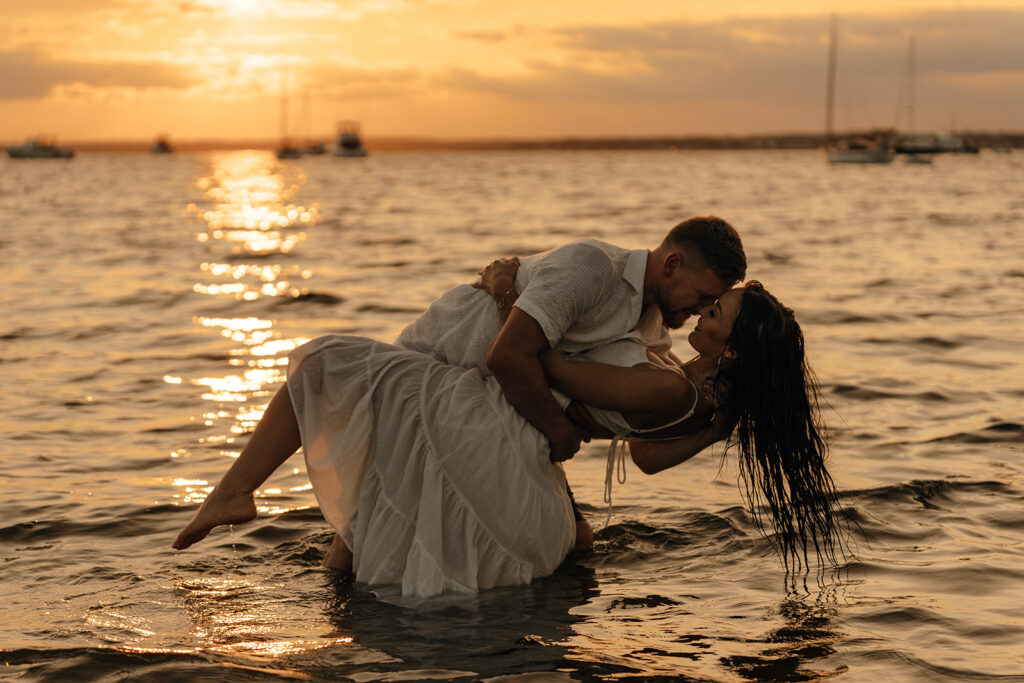
Rhode Island’s coastline gives me plenty to consider when composing wedding photographs. Open horizons create a sense of scale, while the shoreline adds texture and movement.
I think about where people sit within that landscape. A wide frame can show the ceremony surrounded by water, sky, and the people who came to celebrate.
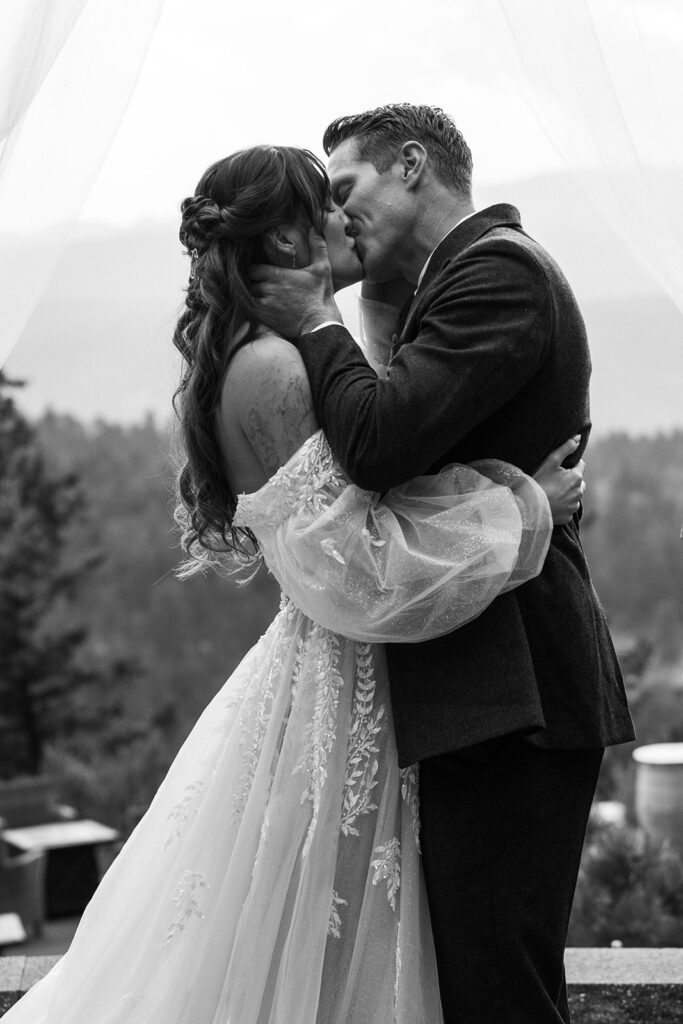
Closer photographs tell another part of the story. A hand resting on someone’s shoulder or a smile during the vows can carry its own meaning.
Let the Setting Support the Story
I use the surroundings to give photographs context. The ocean might fill the background of a portrait or appear subtly beyond a group of guests.
I also pay attention to the relationship between people and their environment. A couple walking toward the reception creates a different composition from a quiet portrait beside the water.
Both can belong in the same gallery.
I want the photographs to show where your wedding happened and how you experienced that place. That balance guides my choices throughout the celebration.
Think Beyond the Ceremony View
A beautiful ceremony backdrop deserves attention, but your wedding story includes more than one view.
I look for opportunities to photograph the wider gathering, intimate details, and moments that connect the different parts of the day. These perspectives help create variety across a gallery.
If you’re still comparing coastal settings, my New England beach wedding guide offers broader venue inspiration.
The Unscripted Moments I Look for at Coastal Weddings
I pay close attention to the people surrounding a couple. Their expressions and gestures often reveal the relationships that make a wedding personal. A parent might straighten a collar before the ceremony. Friends might exchange a familiar look during a speech.
I notice those interactions because they add emotional context to the photographs.
Share the Relationships That Matter Most
Before your wedding, think about the people whose presence carries special meaning. Maybe your grandparents are attending, or your closest friends are traveling together for the celebration. Perhaps you’re including a family tradition that deserves particular attention.
I encourage couples to share those details with their photographer. That context helps me understand which relationships matter most. It also helps me recognize meaningful interactions without asking people to recreate them.
Let the Celebration Happen Around You
Documentary coverage relies on paying attention as events unfold. During a ceremony, I look for expressions and reactions without interrupting the experience.
At a reception, I watch how people gather, celebrate, and interact. I also consider how those photographs connect. A guest’s reaction can add meaning to the moment happening across the room.
These images help tell a fuller story of the people who shared your day.
Creating Cinematic Beach Wedding Photos Without Stiff Posing
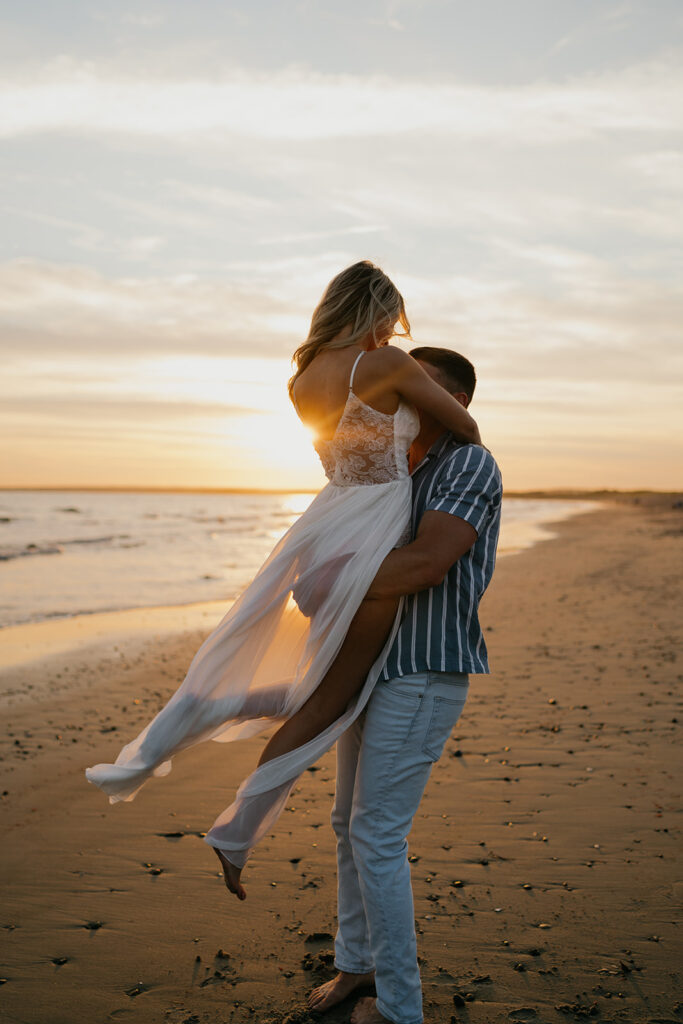
When I describe photography as cinematic, I think about the feeling a sequence of images creates. Light, perspective, composition, and emotion all contribute to that feeling. I consider how individual photographs work together to tell a story.
A wide coastal image might establish the setting. A close photograph of intertwined hands can bring the viewer into a quieter moment.
Build a Story Through Different Perspectives
I look for visual variety throughout a wedding gallery.
A photograph from farther away can show the landscape and the gathering. A closer composition can draw attention to an expression or meaningful detail.
Changing perspective helps reveal different parts of the same experience.
I also think about movement within the frame. Walking, embracing, and turning toward each other can create photographs with energy and connection.
Cinematic Doesn’t Have to Mean Dark
I love photographs with atmosphere and emotional depth. Those qualities can come from soft daylight, strong composition, or a meaningful interaction. Dark editing alone doesn’t create a cinematic story.
I consider how the available light supports the scene. Bright coastal conditions can feel open and airy, while cloud cover can create a quieter mood. The visual choices should serve the people and the moment.
How Ocean Light and Movement Shape Rhode Island Beach Wedding Photos
Coastal conditions can change quickly throughout the day. Sunlight shifts across the water, clouds affect brightness, and wind adds movement to clothing and hair.
I consider these details when choosing portrait locations and evaluating available light.
What Coastal Conditions Mean for Your Photographs
| Coastal Condition | Photography Consideration | Practical Choice |
|---|---|---|
| Bright midday sun | Overhead light can create strong facial shadows | Look for suitable shade or adjust positioning |
| Lower afternoon sun | Light direction can change the appearance of portraits | Check sunset timing for your date |
| Cloud cover | Diffused light can soften shadows | Stay flexible with portrait locations |
| Wind | Hair, veils, and clothing may move continuously | Choose comfortable styling and accessories |
| Shoreline conditions | Sand, rocks, and tides can affect access | Confirm safe routes and usable portrait areas |
These considerations vary by beach, season, and weather. I recommend reviewing the actual conditions rather than assuming every coastal location behaves the same way.
Work With the Available Light
I pay attention to where sunlight falls across your faces. Sometimes changing our position can improve the light without changing the location.
Lower sunlight can offer beautiful portrait opportunities, depending on the shoreline’s orientation. I recommend checking sunset times before finalizing your photography schedule. Cloud cover can also create lovely conditions. Soft light often gives us more flexibility when choosing where to photograph.
Let Movement Feel Natural
Wind can add energy to a photograph. It might move a dress, lift a veil, or change the way someone walks along the shore. I enjoy incorporating that movement when conditions feel comfortable.
Strong wind may also require practical adjustments. Secure accessories and comfortable footwear can help you move more confidently outdoors. Your comfort should guide those decisions.
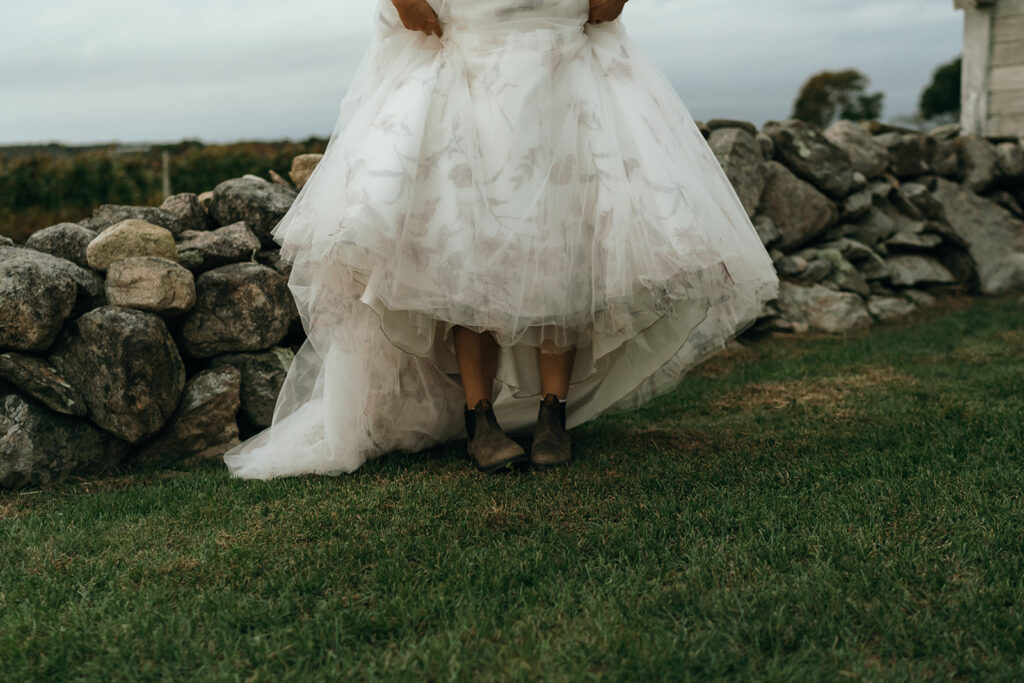
When Gentle Direction Makes Beach Wedding Portraits Feel Natural
You don’t need to arrive at your wedding knowing how to pose.
I want couples to feel comfortable together during portraits. That often begins with simple guidance and enough freedom to respond naturally.
I might suggest walking together or moving closer when a composition needs adjustment. Those prompts give you something familiar to do.
What Gentle Direction Can Look Like
| Portrait Concern | Gentle Approach | What It Encourages |
|---|---|---|
| Feeling awkward facing the camera | Walk together and talk | Natural expressions and movement |
| Unsure where to place your hands | Move closer or embrace | Comfortable physical connection |
| Holding a pose too long | Shift position or change direction | More variety and less stiffness |
| Feeling distracted by the surroundings | Focus on each other briefly | A quieter, more connected portrait |
These are examples of possible direction, rather than a fixed posing routine. I adapt my approach to each couple and the conditions around us.
Tell Me What Feels Like You
Some couples enjoy playful movement, while others prefer quieter portraits. Both approaches can create meaningful photographs.
I encourage you to share your preferences before the wedding.
You can tell me which kinds of photographs feel comfortable and which don’t. That conversation helps me understand how to guide portraits thoughtfully.
I want you to recognize your personalities in the finished images.

Making Space for Documentary Photography in Your Beach Wedding Timeline
A thoughtful photography timeline helps us plan portraits and family photographs without overlooking the rest of the celebration.
For a beach wedding, I also consider access routes, available daylight, and the distance between locations. These details can affect how much time we need.
Decide What Requires a Scheduled Portrait Window
Some photographs need coordination. Family groupings, wedding party portraits, and couple portraits usually benefit from dedicated time.
Other interactions happen naturally throughout the celebration.
| Photography Moment | Planning Question |
|---|---|
| Getting ready | When will preparations finish, and where will everyone gather? |
| First look | Would seeing each other before the ceremony suit your preferences? |
| Family portraits | Who needs to attend, and where can everyone meet? |
| Couple portraits | How much time and travel will the location require? |
| Cocktail hour | How much of it do you want to spend with guests? |
| Reception traditions | Which events have fixed times your photographer should know? |
A first look may allow some portraits before the ceremony. If you prefer an aisle reveal, we’ll need to consider the time available afterward.
I encourage couples to discuss these choices before finalizing their schedule.
Account for the Walk to the Water
A shoreline can appear close to a venue while still requiring a longer walk. Stairs, paths, sand, and parking arrangements can affect how quickly everyone reaches a portrait location. Formal clothing and footwear may also change your pace.
I recommend checking the route in advance. Confirm whether the location allows access during your planned portrait time. Tides and local restrictions may affect which areas remain usable.
These practical details help us make informed choices about portrait locations. You can learn more about my photography approach on my Experience page.

Rhode Island Beach Wedding Logistics Worth Checking Before the Day
Before choosing a ceremony spot, I encourage couples to understand who manages the beach and what that authority allows. Rhode Island has state-managed beaches, municipal beaches, and privately managed coastal properties. Their rules can differ.
Ceremony permissions, guest access, and photography requirements may all affect your plans.
Confirm Ceremony and Photography Permissions
Rhode Island State Parks has a special-use process for applicable weddings and organized events. Its guidance also addresses professional photography and vendor requirements.
For applicable state park events, the published process calls for applications at least 30 business days in advance.
Event permits and individual photographer requirements may interact, so confirm what applies to your arrangements. Don’t assume every beach follows the state park process.
You can review the Rhode Island State Parks special-use guidance. For town-managed beaches, contact the municipality. For private properties, ask the venue about ceremony permissions and photography access.
Check the Details That Affect Your Guests
I recommend reviewing a few practical questions before committing to a beach ceremony.
- Access: Can guests comfortably reach the ceremony area?
- Parking: Where will guests park, and how will they reach the shoreline?
- Setup: Does the managing authority allow chairs, decorations, or other ceremony equipment?
- Privacy: Will the beach remain open to other visitors?
- Weather: Where will the ceremony move if conditions become unsafe?
- Photography: Can you access your preferred portrait areas at the scheduled time?
These answers help you understand what your celebration can realistically include.
I also suggest considering guests who may struggle with sand, stairs, or uneven paths. An accessible route can make the experience more comfortable for everyone.
Frequently Asked Questions About Rhode Island Beach Wedding Photography
Can I get married on a public beach in Rhode Island?
Some public beaches may accommodate wedding ceremonies, depending on their rules and required approvals. I recommend contacting the beach’s managing authority before making arrangements. State-managed and town-managed beaches may have different processes.
Do I need a permit for professional beach wedding photography?
Requirements depend on the location and the photography arrangements. Rhode Island State Parks has special-use and professional photography requirements. An approved event permit may cover certain photography activities, depending on the circumstances. Confirm the applicable requirements with the park or beach manager.
What time of day works best for beach wedding portraits?
I consider the direction of sunlight, ceremony timing, and the beach’s layout. Lower sunlight may offer beautiful opportunities, but conditions vary. I recommend checking sunset times and discussing portrait timing with your photographer.
Can documentary wedding photography include posed family photographs?
Absolutely. I value documentary moments, and I also understand the importance of family portraits. I recommend preparing family groupings before the wedding. That helps us organize formal photographs while keeping the rest of the coverage flexible.
What if the wind or rain changes our photography plans?
I recommend confirming sheltered portrait options and a ceremony backup plan before the wedding. Wind and clouds can contribute to the atmosphere of your photographs. Strong weather may require a different location or schedule. Your comfort and safety come first.
How can we feel more comfortable during beach wedding portraits?
Tell your photographer what feels natural to you. You can also share any concerns about posing before the wedding. I use gentle direction to help couples move and interact comfortably. You don’t need to memorize poses or perform for the camera.
Your Rhode Island Coastal Wedding Story, Told Naturally
I love photographing the relationships, movement, and atmosphere that make a wedding personal. For a Rhode Island beach wedding, the coastline can become part of that story. I want your photographs to reflect the setting and the people who shared it with you.
If you’re drawn to documentary-inspired, cinematic wedding photography, I’d love to hear about your celebration.
Learn more about my photography experience or get in touch to share your plans.


