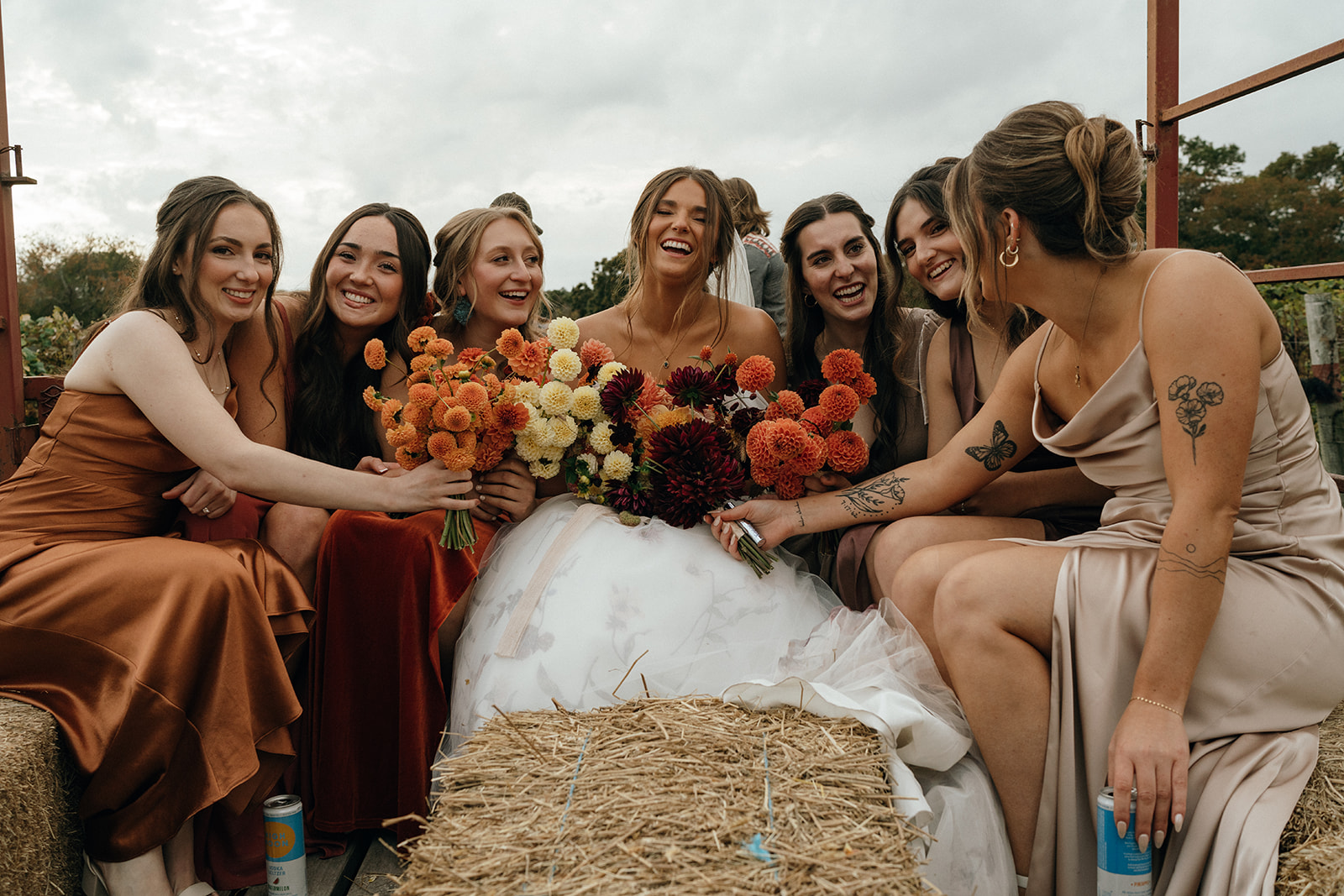
New England Wedding Destinations: Plan a Wedding Weekend You’ll Enjoy
When I picture a wedding weekend, I think about the conversations, laughter, and quiet moments couples share with their favorite people. I love how those moments bring a wedding story to life.
New England wedding destinations offer beautiful settings for those memories. You might choose Rhode Island’s coastline or Vermont’s autumn landscapes.
Even a beautiful setting needs a thoughtful schedule. I encourage couples to leave room for meaningful interactions, spontaneous moments, and time together.
In this guide, I’ll share ways to create a wedding weekend that feels relaxed, personal, and full of moments worth remembering.
Key Takeaways
- Start with the weekend’s main events. Choose your ceremony, reception, and essential gatherings before adding optional activities.
- Make travel simple for guests. Share clear arrival instructions, transportation details, and accommodation information.
- Protect your time on the wedding day. Account for travel, portraits, and family photographs before finalizing your schedule.
- Plan around the season. Check daylight, weather alternatives, and guest comfort for your specific location.
- Think about how you want your photographs to feel. A balanced timeline supports both portraits and natural interactions.
Table of Contents
- Your Wedding Weekend Begins Before the Ceremony
- The Hidden Cost of Trying to Fit Everything Into One Day
- Give Your Guests a Destination Experience Without Planning Every Minute
- Build Your Photography Around the Day, Not the Other Way Around
- Let New England’s Weather and Seasons Influence the Rhythm
- The Moments Between Events Deserve a Place in Your Plans
- A Wedding Weekend That Leaves Room for Your Story
- Frequently Asked Questions About New England Destination Weddings
- Let’s Tell the Story of Your Wedding Weekend
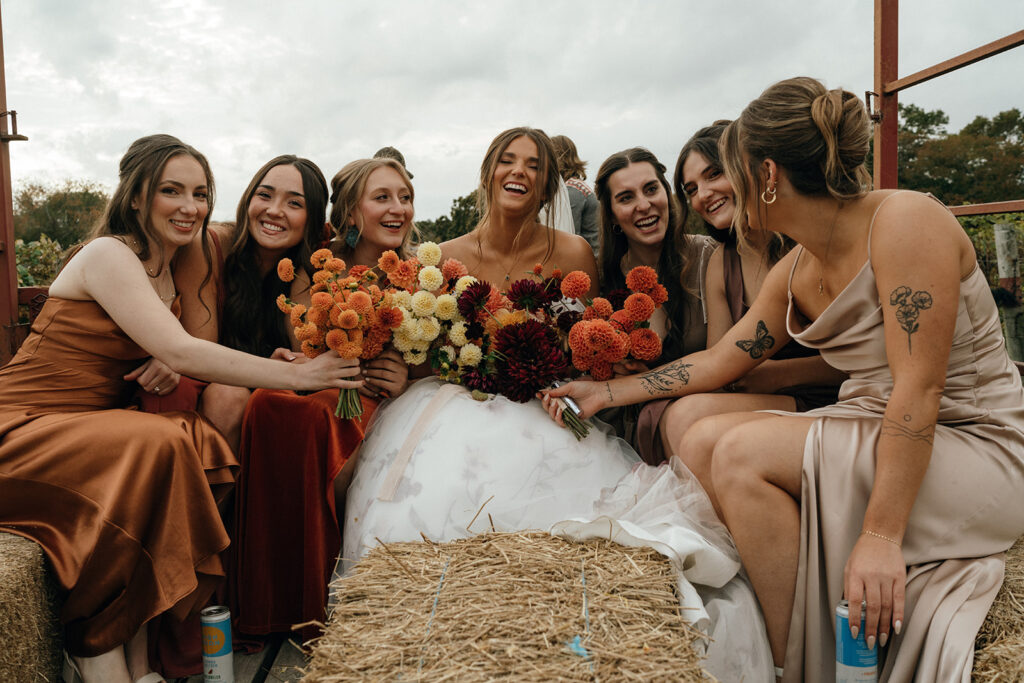

Your Wedding Weekend Begins Before the Ceremony
Your wedding weekend begins when your guests start arriving. Some may travel across New England, while others might fly in from farther away.
I suggest building your itinerary around those arrivals before deciding how many gatherings to host. A Friday welcome dinner sounds lovely, but late check-ins and travel delays can complicate the evening.
Start by identifying the events you genuinely want to share. Then consider which activities need everyone present and which can remain optional.
If you’re still comparing locations, my cinematic guide to New England wedding venues can help you consider different settings. Once you’ve chosen your venue, focus on how the weekend will work.
A Sample Three-Day Wedding Weekend Itinerary
I like using a simple framework before assigning exact times. It helps couples see where travel, meals, and photography need attention.
| Day | Suggested Activities | Planning Consideration |
|---|---|---|
| Friday | Guest arrivals and welcome gathering | Choose a start time that accommodates travelers |
| Saturday morning | Breakfast and getting ready | Allow time for preparations and family |
| Saturday afternoon | Ceremony, portraits, and cocktail hour | Check travel distances and photography timing |
| Saturday evening | Reception, dinner, and dancing | Confirm vendor and venue schedules |
| Sunday | Optional farewell breakfast | Consider guest departures and check-out times |
You can adapt this itinerary to your guest count and venue arrangements. A smaller wedding might need only a casual Friday gathering and Saturday celebration.
Before confirming events, ask your venue about access times and available spaces. Check whether guests need transportation between accommodations, the ceremony, and the reception.
Those answers will help you create a schedule that works in practice.


The Hidden Cost of Trying to Fit Everything Into One Day
Wedding timelines often look manageable until you account for everything happening between the main events. Getting dressed, gathering family members, traveling, and moving guests all require time.
I encourage couples to examine those transitions before adding another activity. A fifteen-minute drive may require extra time for parking, loading, or finding the correct entrance.
Small delays can affect the entire afternoon when your schedule has no flexibility.
Find the Pressure Points in Your Timeline
Look closely at activities that depend on another event finishing first.
For example, family portraits cannot begin until everyone arrives. Cocktail hour may start while you’re still traveling from your ceremony.
I suggest reviewing these common pressure points:
| Timeline Detail | Question to Ask |
|---|---|
| Getting ready | When must everyone finish hair, makeup, and dressing? |
| Travel | How long will moving between locations actually take? |
| Family portraits | Who needs to attend, and where will everyone gather? |
| Ceremony | When should guests arrive and take their seats? |
| Reception | Does the schedule allow time for entrances, dinner, and speeches? |
If several activities depend on perfect timing, simplify the sequence. You might choose one portrait location instead of traveling between several spots. You could also move an informal gathering to Friday, leaving Saturday focused on the ceremony and reception. I want couples to feel involved in their celebration. A realistic timeline helps you spend less time managing logistics.

Give Your Guests a Destination Experience Without Planning Every Minute
A destination wedding often brings together people who rarely share the same place. Some guests will want to explore, while others may prefer a quiet morning.
I suggest making essential details easy to find and allowing guests to choose how they spend their free time.
A welcome gathering can help everyone reconnect before the ceremony. Beyond that, you can share a few local recommendations without organizing an entire sightseeing itinerary.
Make the Important Details Easy for Guests
Your wedding website can answer many questions before guests arrive. I recommend keeping these details together in one place.
| Guest Detail | What to Share | Why It Helps |
|---|---|---|
| Accommodations | Lodging options, addresses, and check-in information | Helps guests organize their arrival |
| Transportation | Parking, shuttles, and travel estimates | Makes movement between events easier |
| Weekend events | Times, locations, and dress codes | Clarifies which gatherings guests should attend |
| Local activities | A few restaurants or attractions | Offers choices during free time |
| Weather | Seasonal clothing and outdoor event guidance | Helps guests pack appropriately |
If you’re hosting events in different locations, consider guests who won’t have cars. Confirm transportation arrangements before assuming everyone can move independently.
For optional activities, use clear wording on your itinerary. Guests should know which gatherings are part of the celebration and which are suggestions.
Choose Shared Experiences With Purpose
Think about the moments when you want everyone together. Maybe that’s Friday’s welcome dinner, Saturday’s ceremony, or Sunday’s breakfast.
Choose those gatherings first.
You can then leave the remaining time open for guests to explore the destination at their own pace. A short list of thoughtful recommendations often works better than a packed schedule.

Build Your Photography Around the Day, Not the Other Way Around
I approach wedding photography by considering how you want to experience your celebration. Your portrait plans should reflect those priorities.
Some couples want a private first look before the ceremony. Others prefer seeing each other for the first time while walking down the aisle.
Both choices can work beautifully. Each creates different considerations for your photography timeline.
Decide Which Photography Moments Need Dedicated Time
I suggest discussing your ceremony timing, family photographs, and portrait preferences before finalizing the schedule.
| Photography Decision | What to Consider |
|---|---|
| First look | May allow some portraits before the ceremony |
| Couple portraits | Need a comfortable window and suitable location |
| Family photographs | Benefit from an organized list and gathering point |
| Wedding party photographs | Require coordination with everyone involved |
| Cocktail hour | Consider how much of it you want to attend |
A first look can create opportunities for earlier portraits. However, it may require an earlier getting-ready schedule.
If you prefer traditional aisle reveals, consider how portraits will fit after the ceremony. Your photographer can help you evaluate the available time.
Use Direction Without Losing Natural Moments
I love photographs that show movement, emotion, and the way couples interact. Sometimes a little direction helps people feel more comfortable in front of the camera.
I might encourage movement during portraits rather than asking someone to hold a rigid pose. That approach gives couples something natural to do together.
During other parts of the day, I focus on observing interactions as they happen.
You can learn more about my approach on my Experience page.
When discussing your timeline, tell your photographer which experiences you want to participate in fully. That conversation helps connect your photography priorities with the rest of the celebration.
Let New England’s Weather and Seasons Influence the Rhythm
New England’s seasons affect more than the colors surrounding your ceremony. They influence daylight, travel conditions, outdoor comfort, and your photography options.
I suggest reviewing seasonal conditions before choosing ceremony times or planning outdoor activities. A summer celebration may need shade, while a winter wedding requires more attention to daylight.
Adjust Your Plans to the Season
| Season | Conditions to Consider | Planning Adjustment |
|---|---|---|
| Spring | Rain and changing temperatures | Confirm indoor alternatives for outdoor events |
| Summer | Heat, bright midday light, and coastal traffic | Consider shade and realistic travel times |
| Fall | Earlier sunsets and cooler evenings | Check sunset timing before scheduling portraits |
| Winter | Shorter daylight and possible snow | Plan outdoor photographs earlier and allow travel flexibility |
These patterns vary by location and date. Check the conditions for your specific destination before making final decisions.
Prepare for Weather Without Losing the Atmosphere
I love how weather can add texture to photographs. Wind creates movement, and cloudy skies can soften the light across a landscape.
I also want couples and guests to feel comfortable. A reliable indoor option gives you more flexibility when conditions change.
Ask your venue where outdoor events would move during rain. Confirm how that decision affects ceremony timing, seating, and transportation.
For coastal celebrations, consider wind exposure and access to sheltered spaces. My New England beach wedding guide offers more inspiration for seaside settings.
I also recommend checking sunset times for your exact date. This helps you plan portraits around available daylight without guessing.

The Moments Between Events Deserve a Place in Your Plans
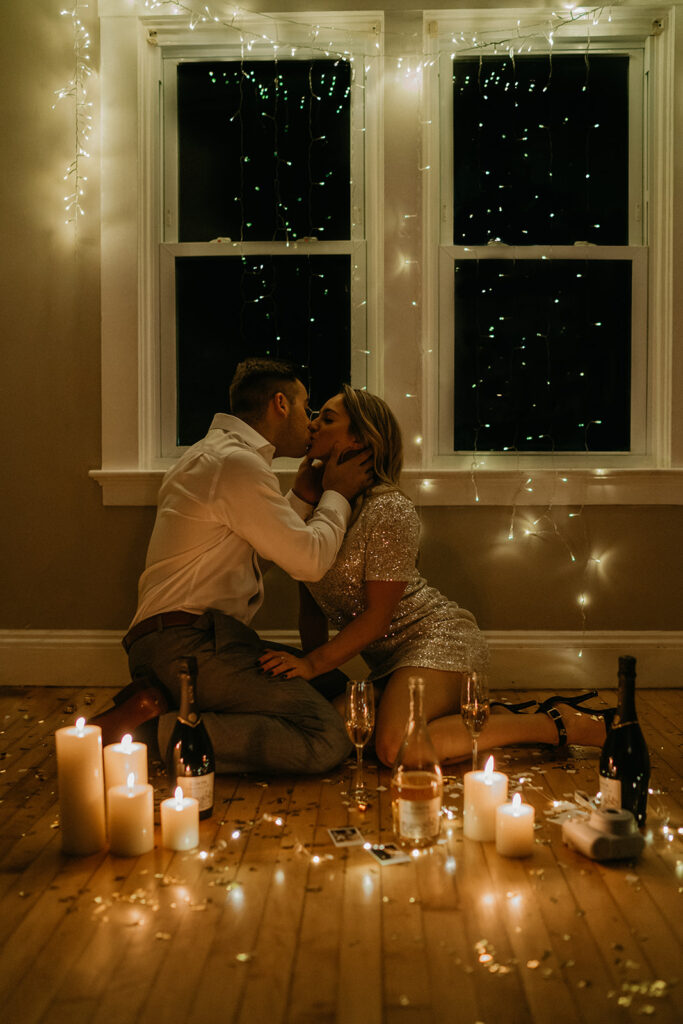
When I photograph a wedding, I pay attention to the relationships surrounding the couple. I notice familiar gestures, shared laughter, and the ways people respond to each other.
These interactions help photographs feel personal. A parent adjusting a veil can reveal tenderness. Friends laughing during dinner can show the energy of the celebration. Those moments happen naturally when people spend time together.
Think About the People Who Shape Your Story
Before your wedding, consider which relationships carry particular meaning. You might have grandparents attending, longtime friends reuniting, or family members traveling from far away. Share those details with your photographer.
Knowing who matters most helps me understand the relationships you want documented. It also gives context to interactions that might otherwise seem ordinary. You don’t need to organize those moments into a shot list. A short conversation about your people can provide valuable direction.
Let Yourself Participate in the Celebration
I want couples to feel comfortable being themselves in front of my camera. That means enjoying conversations, dancing, and moving through the day naturally.
You can still pause for beautiful portraits. You can also return to your guests and enjoy the celebration. When you’re comfortable participating, your photographs can reflect your personalities and the relationships surrounding you.
A Wedding Weekend That Leaves Room for Your Story
Your wedding weekend will include carefully planned moments and unexpected ones. Both deserve a place in your memories. I hope you choose a schedule that lets you enjoy your favorite people and the setting you’ve chosen. Think about the experiences you want to share, then make practical decisions that support them. Your celebration should reflect your relationships, your personalities, and the memories you want to create together.
Frequently Asked Questions About New England Destination Weddings
How far in advance should I start planning a New England destination wedding?
I recommend beginning your venue search as soon as you have a general date and guest count. Availability varies by location, season, and property.
After securing your venue, prioritize accommodations and transportation. Guests traveling long distances will appreciate receiving those details early.
How many events should we host during a destination wedding weekend?
I suggest choosing events based on your priorities and budget. A welcome gathering, wedding celebration, and optional farewell breakfast can provide a simple framework.
You can host fewer events if that better suits your plans. Focus on the gatherings you genuinely want to share.
Should we schedule a first look if we want to attend cocktail hour?
A first look may allow you to complete some portraits before the ceremony. That can leave more time for guests afterward. I recommend discussing the timing with your photographer. Ceremony schedules, travel, and family groupings will influence what’s possible.
What should guests know before traveling to a New England wedding?
Share accommodation options, event addresses, transportation information, and the weekend itinerary. Include dress codes and any outdoor conditions guests should prepare for.
I also suggest identifying optional activities clearly. Guests can then organize their travel without unnecessary confusion.
What happens if it rains during our wedding?
Ask your venue about indoor alternatives and the timing of weather-related decisions. Make sure guests know where to go if plans change.
Rain can also create atmospheric photographs when conditions allow. I recommend prioritizing safety and keeping your portrait plans flexible.
Can candid wedding photography work with a structured timeline?
Yes. I believe a thoughtful timeline helps couples enjoy their day while giving photographers opportunities to observe genuine interactions.
Portraits may involve some direction. During the celebration, I look for expressions, movement, and relationships as they unfold.
Let’s Tell the Story of Your Wedding Weekend
I love photographing weddings that reflect the people at the center of them. The setting, the atmosphere, and your relationships all contribute to that story. If you’re bringing your favorite people together in New England, I’d love to hear what you’re envisioning.
You can learn more about my wedding photography experience and start a conversation about your celebration.


