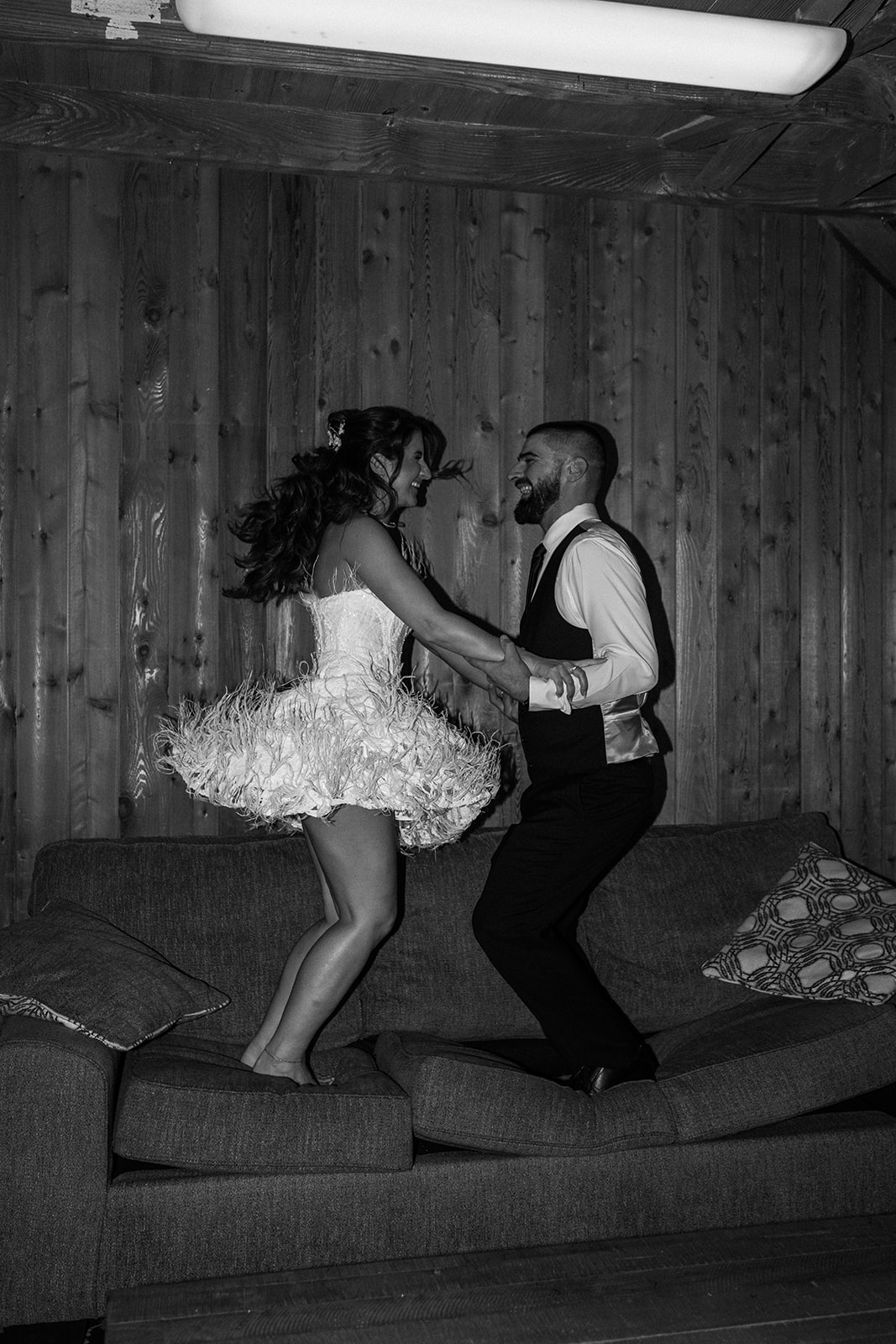
Questions Couples Forget to Ask a New England Wedding Photographer
Hiring a New England wedding photographer involves more than reviewing style, packages, and delivery timelines. Regional experience matters when coastal fog changes the light, summer traffic delays travel, or an early sunset shortens portrait time.
This guide covers the questions couples often forget to ask before booking. It explains how a photographer should prepare for harsh ceremony light, historic venue restrictions, changing weather, multiple locations, and timeline delays.
You will also learn how to review full wedding galleries, compare planning support, and judge whether a photographer can protect their style under pressure. The goal is to help you choose a New England wedding photographer who plans ahead and adapts with confidence.
Table of Contents
- What a New England Wedding Photographer Should Know About the Weather
- How a New England Wedding Photographer Handles Harsh Ceremony Light
- Why a New England Wedding Photographer Plans for Real Travel Conditions
- How a New England Wedding Photographer Works With Early Sunsets
- What to Ask a New England Wedding Photographer About Historic Venues
- How a New England Wedding Photographer Protects Portrait Time
- How a New England Wedding Photographer Works With Your Vendor Team
- What Full Galleries Reveal About a New England Wedding Photographer
- What New England Wedding Photographer Pricing Should Reflect
- Can a New England Wedding Photographer Keep Their Style Under Pressure?
- Questions to Ask Before Booking
- Choose a New England Wedding Photographer Who Plans Ahead

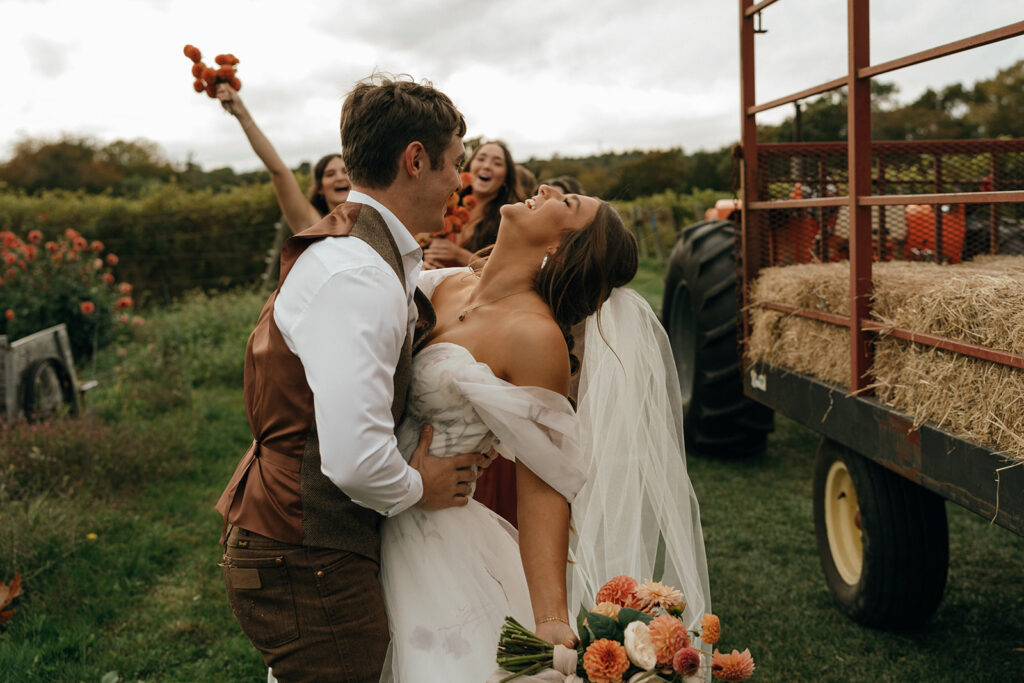
What a New England Wedding Photographer Should Know About the Weather
New England weather can shift quickly. A clear morning may turn foggy, windy, or rainy before the ceremony begins. That unpredictability does not have to create panic. A prepared New England wedding photographer should already have a plan.
Weather experience goes beyond checking the forecast. Your photographer should understand how changing conditions affect light, travel, portrait locations, and the overall timeline.
What Happens When Coastal Fog Changes the Light?
Fog can soften a scene and create a cinematic atmosphere. It can also reduce contrast, hide distant views, and change how the camera reads the light.
Ask how your photographer adjusts when fog rolls in. They may change lenses, camera settings, portrait locations, or lighting methods. They should also know when to use the fog rather than fight it.
A Newport wedding may begin with clear water views. Thick fog can hide that scenery within minutes. An experienced photographer will not depend on one backdrop. They will adapt the visual plan and keep the images intentional.
How Do They Work in Strong Wind?
Coastal wind can affect veils, clothing, ceremony sound, décor, and guest comfort. It can also make exposed portrait locations difficult to use.
Ask whether your photographer identifies sheltered areas before the wedding day. They should know how to position you without losing the coastal atmosphere.
Strong wind does not always ruin photographs. It can add movement, energy, and emotion when handled well. The key is knowing when to use it and when to move somewhere calmer.
What Is Their Rain Plan?
A rain plan should include more than umbrellas. Ask where portraits can happen if the ceremony moves indoors.
Your photographer should research covered spaces, interior rooms, nearby locations, and venue access rules. They should also understand how rain may affect travel and timing.
If the schedule changes, they need to protect the moments that matter most. Family portraits, couple portraits, ceremony coverage, and reception details should not disappear because the weather changed.
The right New England wedding photographer should prepare for several possibilities. That preparation helps the day feel calm, even when the weather does not cooperate.
How a New England Wedding Photographer Handles Harsh Ceremony Light
Outdoor ceremonies often happen when the sun feels strongest. Historic estates may also limit where the ceremony can face. That combination can create bright backgrounds, deep shadows, and uneven light.
A skilled New England wedding photographer should know how to work with those conditions. They should also recognize small changes that improve the final images.
What Is Their Plan for Afternoon Sun?
Ask how they approach ceremonies held in direct afternoon light. Strong sun can cause squinting, harsh shadows, and bright highlights.
Your photographer may adjust camera settings, lens choice, or shooting position. They should also watch how the light falls across both partners.
Good technique can protect skin tones and important details. It can also keep the background from overpowering the moment.
Can They Work With Mixed Light?
Mixed light often appears when one person stands in sun and another stands in shade. It can also happen beneath trees, near buildings, or beside reflective water.
Ask to see full galleries from similar ceremonies. Look for even skin tones and consistent color. The images should still feel polished when the light changes.
A photographer should not depend on perfect conditions. They should know how to create consistency throughout the ceremony.
Will They Suggest Better Placement?
Small adjustments can make a meaningful difference. Your photographer may suggest changing the couple’s position or ceremony direction.
They may also recommend a slight timeline shift. Even a small change can soften shadows and improve guest comfort.
An experienced New England wedding photographer should communicate these ideas early. Their guidance should feel helpful, not controlling.
The goal is not to redesign your ceremony. It is to protect the experience while creating stronger photographs.
Why a New England Wedding Photographer Plans for Real Travel Conditions
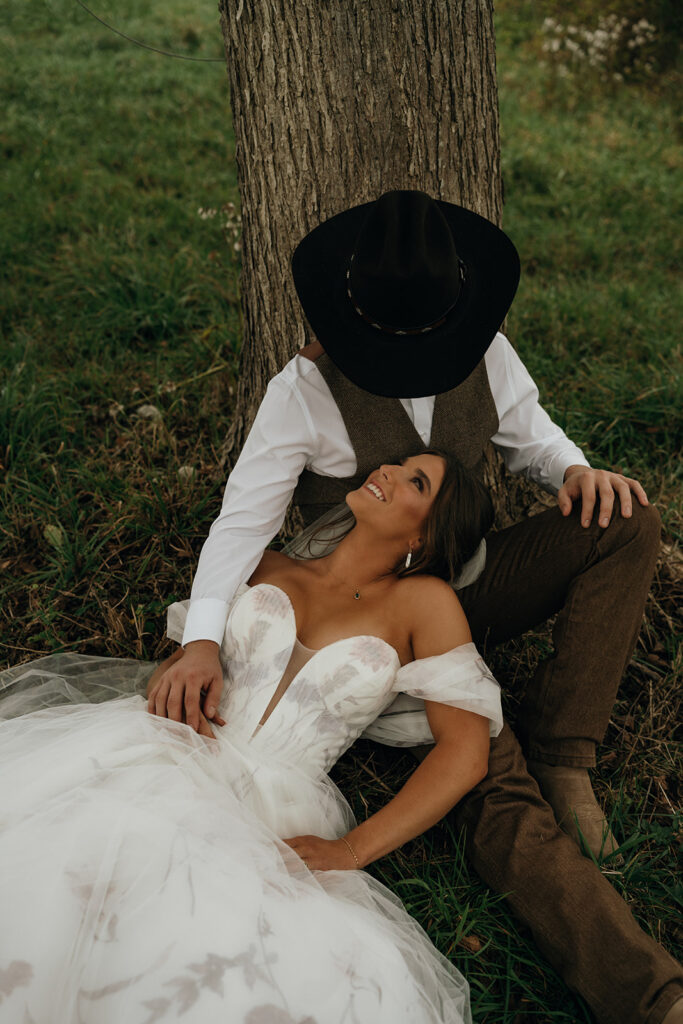
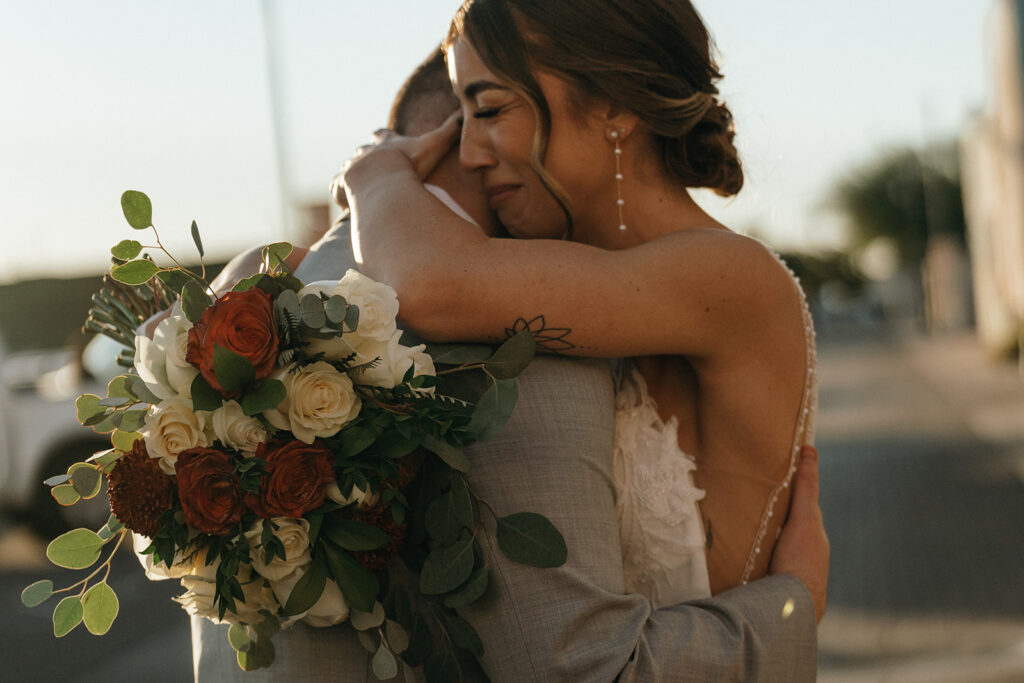
New England wedding days often involve more travel than couples expect. Getting-ready spaces, ceremony sites, portrait locations, and receptions may sit miles apart.
Seasonal traffic can also change the route. A realistic photography timeline should reflect those conditions from the start.
How Much Travel Buffer Do They Add?
Ask how your photographer calculates travel time. A map estimate may not reflect summer traffic, parking, or venue access.
Cape Cod weekends can bring long delays. Coastal towns may also become crowded during peak season.
Your photographer should consider road conditions, local events, and the time needed to park. They should also confirm how far they must walk with equipment.
A thoughtful buffer protects the schedule. It also reduces pressure when small delays appear.
What Happens if the Timeline Runs Late?
Wedding timelines often shift. Hair and makeup may take longer. Transportation may arrive late. A ceremony may begin behind schedule.
Ask how your photographer protects the most important moments. They should know which parts can move and which parts need priority.
Family portraits may need a tighter plan. Couple portraits may move to a later time. Reception details may need coverage before guests enter.
A clear priority system helps the day stay calm.
Have They Worked With Multiple Locations?
Multi-location weddings require strong communication and route planning. Ask how your photographer handles separate getting-ready spaces and ceremony sites.
They should understand where delays usually happen. They should also know when extra coverage or a second photographer may help.
A prepared New England wedding photographer plans for the route, not only the clock. That regional awareness helps protect the moments you cannot repeat.
How a New England Wedding Photographer Works With Early Sunsets
New England sunsets shift quickly across the year. Fall and winter weddings often lose daylight earlier than couples expect.
A prepared New England wedding photographer should build the timeline around that change. They should not wait until the wedding day to notice it.
How Do They Plan for Fall and Winter Light?
Ask how your photographer protects portrait time when daylight ends early. They may recommend a first look or earlier family photos.
Those choices can create more flexibility without making the day feel rushed. They can also preserve softer light for portraits.
Tree cover, hills, and buildings can make a location feel dark before sunset. Your photographer should account for those details.
Do They Research the Venue Before the Wedding?
Strong planning starts before the event. Your photographer should review the venue layout, sunset direction, and nearby portrait options.
They should also consider indoor spaces and travel distance. A beautiful field may not help if it sits too far away.
Venue research can prevent rushed decisions later. It also helps the photographer prepare for changing light.
Can They Photograph Well After Dark?
Low-light skill matters at winter weddings and historic venues. Receptions, exits, and late portraits often happen after sunset.
Ask to see full galleries with dark interiors and nighttime coverage. The images should still feel consistent and intentional.
An experienced New England wedding photographer should work confidently after dark. Their style should not disappear when natural light does.
What to Ask a New England Wedding Photographer About Historic Venues
Historic estates can create elegant and cinematic photographs. They can also bring strict rules, dark rooms, and limited access.
A photographer should understand those challenges before the wedding begins.
Are Flash and Tripods Allowed?
Some properties limit flash, tripods, stands, or drones. Others restrict access to certain rooms or grounds.
Ask whether your photographer confirms those rules in advance. They should not discover them during the ceremony.
Clear communication helps protect the timeline. It also prevents unnecessary stress with venue staff.
How Do They Handle Dark Interiors?
Historic venues often feature dark wood, small windows, and mixed lighting. Candlelight may add atmosphere but reduce visibility.
Your photographer should know how to balance natural and artificial light. They should also preserve the venue’s mood.
Ask to see full galleries from similar spaces. Look for clear skin tones, consistent color, and strong reception coverage.
Have They Worked Within Strict Property Rules?
Historic properties may limit furniture movement, portrait access, or ceremony positions. Some venues also enforce narrow setup windows.
Your photographer should communicate with the venue before the wedding. They should understand where they can move and when.
That preparation helps them work efficiently. It also protects the guest experience.
A skilled New England wedding photographer can create strong images within those limits. They adapt without disrupting the day.
How a New England Wedding Photographer Protects Portrait Time
Wedding days rarely follow the timeline perfectly. Hair and makeup may run late. Transportation can stall, and weather can force a location change.
A prepared New England wedding photographer should know how to protect portrait time without adding pressure.
What Happens When the Timeline Falls Behind?
Ask how your photographer responds when the schedule shifts. They should know which moments need priority and which can move.
They may shorten detail coverage or adjust the portrait order. They may also move couple portraits to a later window.
The goal is not to rush the day. It is to protect the photographs that matter most.
How Do They Prioritize Must-Have Images?
Your photographer should understand your priorities before the wedding. A clear list helps them make strong decisions when time becomes limited.
Ask how they organize family portraits, wedding party photos, and couple portraits. They should also know which images can happen later.
Strong preparation keeps the process focused. It also prevents important people from being overlooked.
Can They Find New Portrait Locations Quickly?
Weather, crowds, or venue restrictions may make the original portrait plan impossible.
An experienced photographer should recognize useful alternatives nearby. These may include covered walkways, shaded areas, quiet rooms, or sheltered outdoor spaces.
Local knowledge can make a major difference. Familiarity with the venue or region saves valuable time.
A skilled New England wedding photographer should adapt without making the change feel dramatic. The best solutions often feel simple to the couple.
How a New England Wedding Photographer Works With Your Vendor Team
Wedding photography does not happen in isolation. The photographer must work closely with the planner, venue, video team, and transportation providers.
Strong communication helps the day feel organized. It also protects the timeline when plans change.
How Do They Work With the Planner?
Ask how your photographer communicates with the planner before the wedding.
They should review the timeline, travel plan, ceremony details, and portrait schedule. They should also discuss backup options.
During the wedding, the photographer and planner should share updates quickly. That teamwork helps both vendors respond without confusing the couple.
How Do They Coordinate With the Video Team?
Photo and video teams often need the same moments from similar positions.
Ask how your photographer handles first looks, ceremonies, speeches, and couple portraits. They should know how to share space without blocking coverage.
Good collaboration keeps the experience calm. It also gives both teams enough time to create strong work.
Do They Communicate With the Venue Beforehand?
Venue communication can prevent avoidable problems. Your photographer should confirm access, parking, restrictions, and rain-plan spaces.
Historic properties may limit flash or room access. Coastal venues may have public-access rules or changing weather concerns.
A prepared New England wedding photographer should learn those details early. That planning allows the entire vendor team to work with greater confidence.
What Full Galleries Reveal About a New England Wedding Photographer
A polished portfolio can show beautiful moments. It cannot always show how a photographer handles an entire wedding day.
Before booking, ask to see several full galleries. These collections reveal consistency across changing light, weather, locations, and timelines.
Look for Weddings With Similar Conditions
Ask for galleries that reflect your plans. A coastal wedding should include wind, bright water, and changing weather. A historic estate gallery should show dark interiors and formal spaces.
You may also want to review rainy weddings, winter celebrations, outdoor ceremonies, or candlelit receptions. Similar conditions help you judge relevant experience.
A photographer should not only show their easiest work. Their full galleries should prove they can adapt throughout the day.
Review More Than the Portraits
Couple portraits often receive the most attention online. However, the rest of the gallery matters just as much.
Look at getting-ready images, ceremony coverage, family portraits, reception details, speeches, and dancing. Notice whether the quality stays consistent.
Strong New England wedding photographers should handle both quiet moments and difficult conditions. The images should still feel intentional when the light changes.
Notice Consistency Across the Entire Day
Pay attention to color, exposure, emotion, and storytelling. The gallery should feel connected from beginning to end.
Ask whether the photographer captures both planned and unplanned moments. Also notice how they photograph crowded rooms and fast transitions.
Reviews can support what the galleries show. Look for comments about calm guidance, preparation, communication, and adaptability.
A full gallery gives you stronger evidence than a social media feed. It helps you see how a New England wedding photographer works when the day becomes less predictable.

What New England Wedding Photographer Pricing Should Reflect
Pricing should represent more than the number of hours listed in a package. It should also reflect preparation, experience, communication, and problem-solving.
When comparing photographers, ask what support comes before the wedding day. That work can affect the entire experience.
Does Coverage Include Planning Support?
Ask whether the photographer helps with the timeline, portrait locations, ceremony light, and travel logistics.
Planning support can reduce stress before the wedding. It also helps protect important photographs when the schedule changes.
An experienced photographer may review your venue, suggest timing adjustments, or identify backup locations. Those steps add value long before the camera comes out.
Are Travel and Multiple Locations Clear?
New England weddings may include several locations. Getting ready, the ceremony, portraits, and the reception may all happen in different places.
Ask how travel works within the coverage. Confirm whether lodging, ferries, parking, or extra locations affect the agreement.
Clear expectations prevent confusion later. They also help everyone build a realistic timeline.
Are You Comparing Experience or Only Hours?
Two packages may offer similar coverage but very different levels of support.
One photographer may simply arrive and follow the schedule. Another may help shape the timeline, prepare for weather, and coordinate with the vendor team.
New England wedding photographer pricing should reflect that difference. Regional experience, preparation, and flexibility can protect the moments you cannot repeat.
The strongest choice is not always the longest package. It is the photographer whose process supports your day from beginning to end.
Can a New England Wedding Photographer Keep Their Style Under Pressure?
A photographer’s style should remain recognizable when the day becomes difficult. Fog, rain, dark rooms, and delays should not erase the visual approach you hired them for.
A skilled New England wedding photographer should adapt without losing consistency. Their work should still feel intentional, emotional, and connected.
Can They Preserve a Cinematic Feel in Difficult Conditions?
Cinematic work depends on more than perfect light. It also relies on composition, movement, timing, and atmosphere.
Ask to see galleries from rainy weddings, dark receptions, or foggy coastal days. Notice whether the images still feel polished and expressive.
A strong photographer can use changing weather creatively. Fog can soften the background. Wind can add movement. Rain can create reflections and texture.
The goal is not to force every wedding into the same look. It is to preserve the emotional tone across different conditions.
Can They Capture Real Moments Without Losing Control?
Documentary coverage should feel natural, but it still requires awareness.
Your photographer must anticipate important moments while managing light, timing, and location changes. They should know when to step back and when to guide.
Ask how they balance candid storytelling with practical direction. The answer should reflect both flexibility and confidence.
A wedding day can move quickly. Your photographer should respond without making the experience feel staged or rushed.
Does Their Full Work Match Their Branding?
A website may describe the work as cinematic, documentary, or film-inspired. Full galleries should support those claims.
Look for consistency across ceremonies, portraits, speeches, and receptions. The style should continue after sunset and during difficult conditions.
A cinematic wedding photographer in New England should deliver more than a few dramatic portraits. The entire gallery should feel cohesive.
Style matters, but reliability matters too. The right photographer should protect both when the day becomes unpredictable.
Questions to Ask Before Booking
A consultation should reveal more than personality and package details. It should show how the photographer prepares, communicates, and solves problems.
Use these questions to understand whether their experience matches your wedding plans.
Questions About Weather and Light
Ask:
- What is your plan for fog, wind, rain, or harsh sunlight?
- How do you work with early sunsets?
- Can we see a full gallery from similar conditions?
- Do you identify backup portrait locations?
- How do you photograph dark indoor spaces?
These questions reveal whether the photographer depends on ideal conditions.
Questions About Travel and Timing
Ask:
- How much travel buffer do you include?
- What happens when the timeline runs late?
- Have you worked with several wedding locations?
- How do you protect portrait time?
- How do you plan around seasonal traffic?
Regional experience should shape the timeline from the beginning.
Questions About Venues and Restrictions
Ask:
- Do you contact the venue before the wedding?
- How do you handle flash or access restrictions?
- Have you photographed historic estates?
- What happens if the ceremony moves indoors?
- Do you research the light before the wedding?
These questions show whether preparation extends beyond camera equipment.
Questions About Teamwork and Coverage
Ask:
- How do you coordinate with planners and video teams?
- What planning support comes with coverage?
- How do you organize family photographs?
- What happens if priorities change?
- Can we review several complete galleries?
The best answers should feel specific. General promises may not reveal much.
A prepared New England wedding photographer should explain their process clearly. They should also show evidence through galleries, reviews, and regional experience.
Choose a New England Wedding Photographer Who Plans Ahead
Your photographer should do more than react when something changes. They should notice risks early and create practical alternatives.
Regional experience can make the wedding day feel calmer. It matters when fog changes the light, traffic slows the route, or weather moves the ceremony indoors.
Explore my full New England wedding galleries to see how I work across different venues and conditions. You can also learn more about the photography experience or get in touch to share your date and plans.


