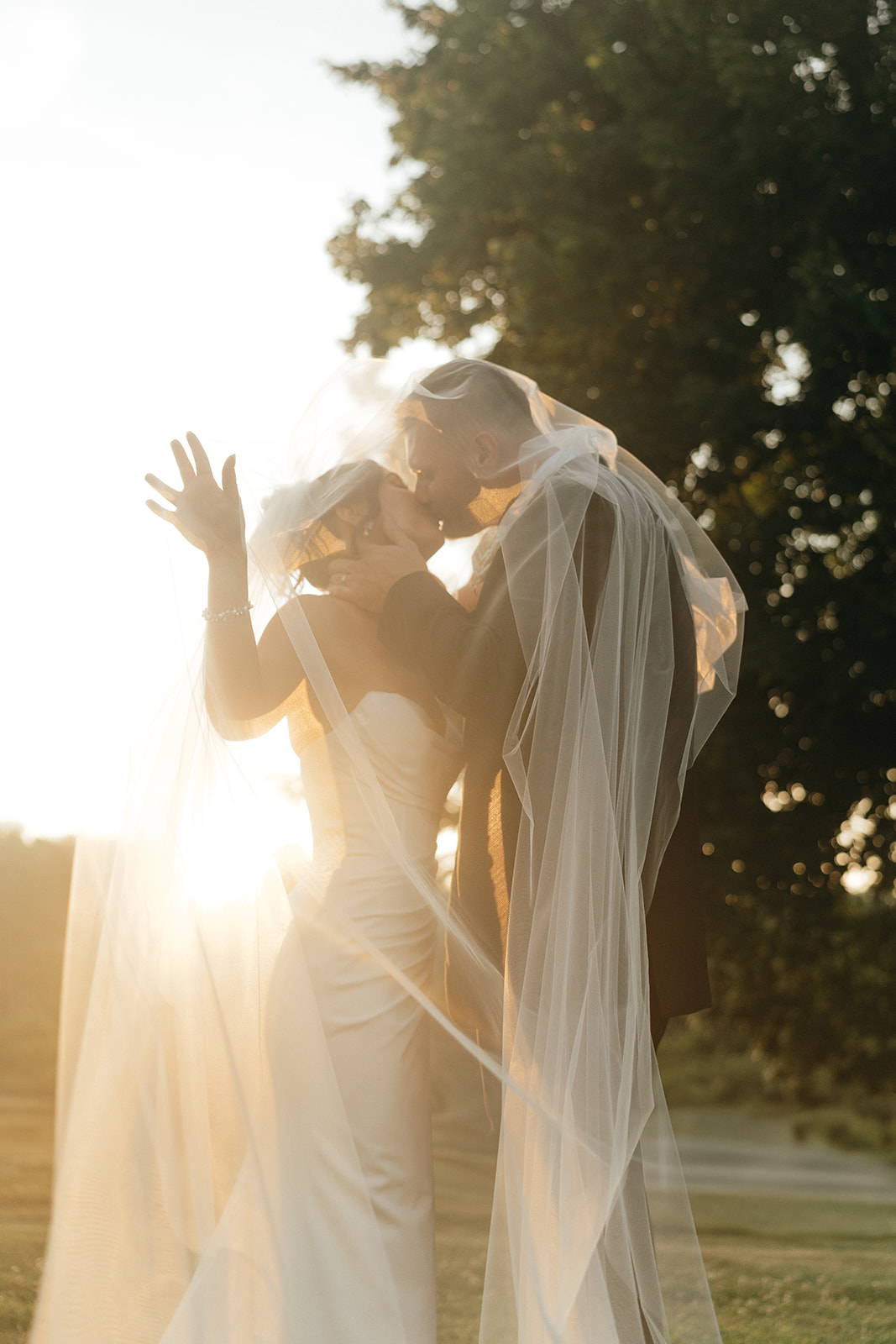
New England Wedding Locations to Scout Before You Book
Choosing between New England wedding locations takes more than browsing beautiful venue photos. The setting affects the light, weather, travel, privacy, and overall guest experience.
This guide shows couples how to use an engagement session as a low-pressure scouting trip. You can test coastal wind, seasonal light, parking, traffic, accessibility, and the feel of a region before committing to a nearby venue.
You will also learn how different settings compare, including coastal towns, historic areas, mountains, lakes, forests, and rural locations. The goal is to help you choose a New England wedding location that fits your vision, your guests, and the way you want the day to feel.
Table of Contents
- Use Your Engagement Session to Explore New England Wedding Locations
- What Scouting a New England Wedding Location Can Teach You
- Scout Coastal New England Wedding Locations in Real Conditions
- Explore Historic New England Wedding Locations Beyond the Property
- Explore Mountain, Lake, Forest, and Rural New England Wedding Locations
- Visit New England Wedding Locations During the Season That Matters
- Consider the Full Guest Experience Around New England Wedding Locations
- Questions to Ask Your Photographer While Scouting New England Wedding Locations
- Frequently Asked Questions About New England Wedding Locations
- Scout the Setting Before You Commit to the Venue
Use Your Engagement Session to Explore New England Wedding Locations
An engagement session can do more than create beautiful photographs. It can also help you explore a region before making larger wedding decisions.
You get time to walk through the area without a full timeline, guest list, or vendor team. That freedom makes it easier to notice how the location feels in real life.
Experience the Area Without Wedding-Day Pressure
Move through the area at a relaxed pace. Notice the drive, parking, noise, and overall atmosphere. Pay attention to how long it takes to reach each part of the location.
A coastal town may look charming online but feel crowded on weekends. A rural setting may feel peaceful but take longer to reach. A historic district may offer character, yet limited parking can affect guests.
These details become easier to understand during an engagement session. You can experience the setting without rushing between wedding events.
Learn How the Location Photographs
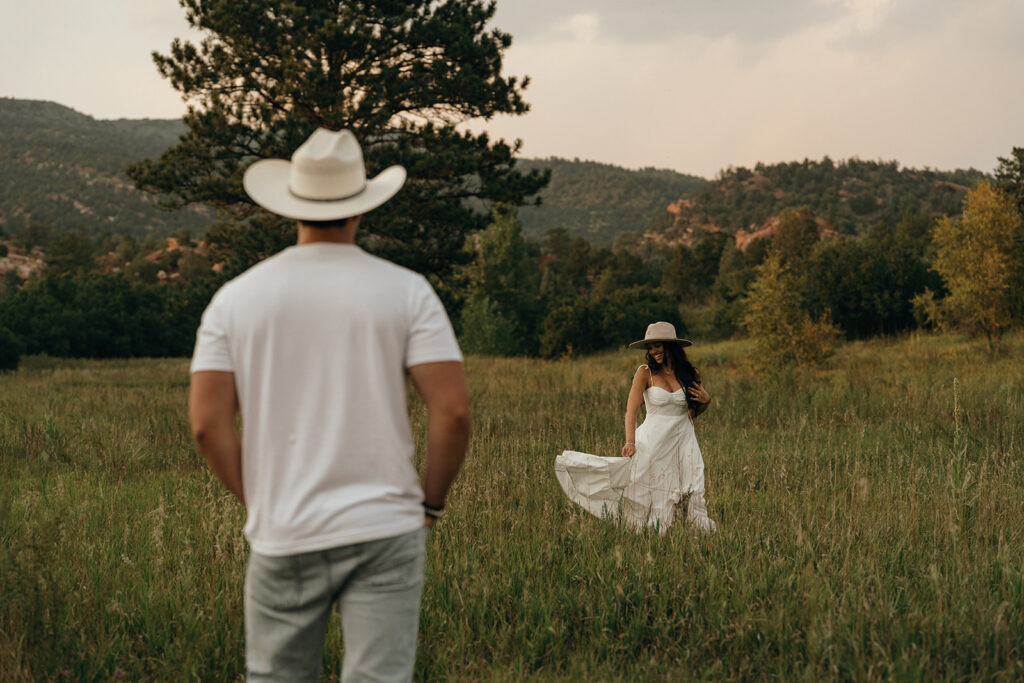
Engagement photo locations in New England can look very different throughout the day. Morning light often feels soft and quiet. Afternoon sun can create stronger contrast. Evening light may bring warmth and movement.
Your session can reveal where the best light falls. It can also show which areas feel too dark, exposed, or crowded.
As a photographer, I also look for nearby alternatives. A strong location should offer several options when the weather changes.
Decide Whether the Setting Feels Like You
A place may look impressive without feeling personal. Your engagement session gives you time to notice that difference.
Ask yourselves a few simple questions. Did you feel relaxed there? Did the landscape match your style? Could you picture your guests enjoying the area?
The answers can shape your wedding search. They can also help you avoid choosing a location based only on polished images.
Using your engagement session to explore New England wedding locations gives you more than a gallery. It gives you real insight before you commit.
What Scouting a New England Wedding Location Can Teach You
A scouting session can reveal details that venue websites rarely explain. It helps you understand how the area works in real conditions.
How the Light Changes
Light shapes the entire visual experience. It affects portraits, ceremony comfort, and the mood of the setting.
Notice where the sun falls during your session. Look for open shade, reflective water, tree cover, and harsh direct light. Pay attention to how quickly the light changes near sunset.
Wooded areas may become dark earlier than expected. Coastal locations may hold light longer because of the open horizon. Historic streets can create deep shadows between buildings.
These observations can guide your wedding timeline later.
How Wind and Weather Affect the Space
New England weather can change quickly. Coastal locations often feel windier than inland areas. Mountain settings can shift from warm to cool within a short time.
Notice how the wind affects your hair, clothing, and comfort. Think about how similar conditions might affect ceremony audio, décor, and guests.
Also look for sheltered areas. A location with several options gives you more flexibility when the weather changes.
What Traffic and Parking Feel Like
Travel can shape the guest experience before the wedding begins. Weekend traffic, tourism, and local events may affect arrival times.
During your session, notice road conditions and parking access. Check whether guests would need a shuttle or a longer walk.
Popular coastal towns can become much busier during summer. Historic districts may have limited parking. Rural areas may require clear directions and extra travel time.
How Much Privacy the Area Offers
Public locations can feel lively and beautiful. They can also become crowded at the busiest times.
Notice how much privacy the area offers. Ask whether you enjoy the energy or prefer something quieter.
A beach, park, or downtown area may feel peaceful on a weekday. The same place could feel very different on a weekend.
Whether the Location Feels Easy to Navigate
Pay attention to the ground and walking distance. Sand, rocks, steep paths, and uneven streets can affect comfort.
Consider how older guests or guests with mobility needs might move through the area. Check whether there are places to rest.
The best New England wedding locations offer more than beautiful views. They also feel manageable, welcoming, and easy to experience.

Scout Coastal New England Wedding Locations in Real Conditions
Coastal settings can feel effortless in photographs. In person, they often involve wind, crowds, parking, and changing light. An engagement session can help you understand those conditions before you choose a nearby venue.
Pay Attention to Wind, Tides, and Access
Coastal wind can change quickly, especially near open water. Notice how it affects your comfort, clothing, and movement. Similar conditions may influence ceremony sound, décor, and guest seating.
Tides also matter at beaches and rocky shorelines. A location may offer more space at one time than another. Check public access, walking distance, and nearby parking during your visit.
Crowds can shift throughout the day. A quiet shoreline may become busy before sunset. Weekend traffic can also affect arrival times in popular coastal towns.
Use Gloucester as a Scouting Example
Gloucester offers harbors, rocky coastline, beaches, and historic streets. Each setting creates a different visual experience.
An engagement session there can reveal how the harbor feels during active hours. It can also show where parking becomes limited. Coastal wind may feel stronger near exposed shorelines than protected streets.
Pay attention to the sunset direction and nearby portrait options. Some areas may offer open views, while others provide shelter and softer light.
Gloucester engagement photos can also help couples compare nearby wedding regions. They show more than scenery. They reveal pace, access, and how the coast feels in real conditions.
Explore Rhode Island’s Coastal Character
Rhode Island offers another strong coastal option. The state combines waterfront towns, historic properties, and shorter travel distances.
Couples can explore several settings without spending the entire day driving. That convenience can help when guests stay in different areas.
A Rhode Island engagement session can reveal beach access, traffic patterns, and local wind. It can also help you decide whether the coast feels relaxed, formal, or too exposed.
Scouting coastal New England wedding locations gives you a more complete picture. You can then compare nearby venues with clearer expectations.
Explore Historic New England Wedding Locations Beyond the Property
Historic towns and estate regions offer more than impressive architecture. The surrounding area can shape the guest experience, photography, and wedding timeline.
An engagement session can help you understand that wider setting before you commit.
Look Beyond the Estate Gates
A beautiful estate may sit near a busy road or far from local hotels. Another property may feel private but require longer travel between locations.
Explore the nearby streets, inns, gardens, and public spaces. Notice whether the area feels walkable or spread out. Check how long it takes to reach major roads and lodging.
These details matter for guests, vendors, and the wedding party. They also affect how much time you need between events.
Use Danvers and the North Shore as an Example
Danvers and the surrounding North Shore offer historic character, estates, gardens, and coastal access. An engagement session can help couples understand how those settings connect.
Danvers engagement photos may reveal quiet garden light, historic architecture, or nearby portrait options. They can also show how traffic changes during busy hours.
Look at the surrounding area as carefully as the property. A grand venue may feel perfect, but the region should also support your plans.
Notice How Formal the Setting Feels
Historic estates often create a refined and structured atmosphere. Some couples love that sense of occasion. Others may prefer something softer or more relaxed.
Spend time in the area without a wedding timeline. Notice whether the setting feels natural to you.
The best New England wedding locations should match your style beyond the ceremony space. They should also support how you want the full weekend to feel.
Explore Mountain, Lake, Forest, and Rural New England Wedding Locations
Mountain, lake, forest, and rural settings offer privacy, scenery, and a slower pace. They can also require more wedding planning than couples expect.
An engagement session can help you test the drive, terrain, weather, and overall rhythm before you commit.
Notice How the Landscape Affects the Day
Mountain and forest settings often feel calm and cinematic. However, they can become darker earlier than coastal or open locations.
Tree cover may block evening light. Mountain weather can also change quickly. A warm afternoon may turn cool before sunset.
Pay attention to road conditions, cell service, and walking distance. These details matter for guests, vendors, and your timeline.
Test Lakeside Locations in Real Conditions
Lake wedding locations in New England can feel peaceful and private. Water also reflects light beautifully during engagement sessions.
Still, lakeside settings can bring wind, insects, boat traffic, and limited parking. Access may also change during busy summer weekends.
Walk the shoreline and notice how easy it feels to move around. Check whether guests would need long walks or uneven paths.
An engagement session can also reveal where the light reflects most strongly. That can help later with ceremony timing and portrait plans.
Think Carefully About Remote Areas
Rural wedding locations can offer quiet surroundings and fewer crowds. They may also sit farther from hotels, airports, and major roads.
Drive the full route before booking anything. Notice travel time, road width, signage, and nearby services.
A location may feel romantic during the day but isolated after dark. Clear directions and transportation can improve the experience.
Use Halifax as a Quiet-Setting Example
Halifax can work as an example of a quieter, less crowded setting. Always identify the state when mentioning it.
An engagement session there may help couples test open landscapes, local roads, and travel time. It can also show whether the area feels peaceful or too remote.
The strongest New England wedding locations balance beauty with ease. A scenic setting should still support your guests and your plans.

Visit New England Wedding Locations During the Season That Matters
New England changes dramatically throughout the year. The same location can feel completely different across seasons.
Whenever possible, visit during a season similar to your wedding month. That gives you a more realistic sense of light, traffic, weather, and access.
Scout Fall Locations With Timing in Mind
Fall wedding locations in New England remain popular for foliage and cooler weather. They also bring shorter days and heavier tourism.
Foliage timing can shift each year. Do not choose a location based only on peak-color photos.
Notice sunset time, road traffic, and guest access. Popular mountain and coastal areas may become much busier during autumn weekends.
See How Winter Changes the Experience
Winter can create intimate and dramatic settings. Snow, candlelight, and quiet landscapes often feel especially cinematic.
However, winter affects roads, parking, and daylight. Indoor alternatives become more important.
During a winter visit, check heating, walkways, and travel routes. Notice whether the location still feels welcoming after sunset.
Watch for Spring Weather and Soft Ground
Spring brings fresh greenery and softer light. It can also bring rain, mud, and changing temperatures.
Walk the grounds and check drainage, pathways, and covered areas. Garden settings may not bloom at the same time each year.
Ask to see galleries from your actual wedding month. Those images can show more realistic conditions.
Consider Summer Crowds and Coastal Traffic
Summer offers long days and more outdoor flexibility. Coastal towns and lakes can also become crowded.
Visit during a similar day and time when possible. Notice traffic, parking, heat, and public activity.
Seasonal scouting helps you understand how New England wedding locations actually feel. It also helps you plan with fewer surprises.
Consider the Full Guest Experience Around New England Wedding Locations
A wedding location affects more than the ceremony view. It also shapes how guests arrive, stay, and move through the weekend.
An engagement session can help you notice those details early. You can test the drive, nearby lodging, parking, and local activity.
Check Travel and Arrival
Start with the route. Notice the distance from airports, train stations, and major roads. Some areas feel easy to reach. Others require more time or planning.
Pay attention to traffic during the same season and day. Coastal towns may become crowded on summer weekends. Mountain roads can feel slower after dark.
Parking also matters. Check whether the area offers enough spaces nearby. Some locations may require shuttles or longer walks.
These details can affect your timeline and guest comfort. They may also shape where you choose nearby venues.
Review Lodging and Weekend Options
Look beyond the wedding day. Consider where guests will stay and what they can do nearby.
Some New England wedding locations sit near hotels, inns, and restaurants. Others feel more remote and private.
Ask whether guests can stay close to the celebration. Long drives after the reception may create stress.
Also explore options for a welcome dinner or farewell brunch. A strong location can support the entire weekend.
Think About Accessibility
Walk the area with your guests in mind. Notice stairs, hills, sand, uneven paths, and long distances.
Older guests may need nearby seating or easy transportation. Guests with mobility needs may require smoother access.
A location should feel beautiful and welcoming. It should not make the experience harder than necessary.
Your engagement session gives you time to notice these details. That insight can help you choose with more care.

Questions to Ask Your Photographer While Scouting New England Wedding Locations
Your photographer can help you notice details that are easy to miss. A scouting session becomes more useful when you ask practical questions during the experience.
Ask About the Light
Start with the light because it changes every location.
Ask when the area photographs best. Find out where the sun sets and whether the location offers open shade. You should also ask how the space looks after dark.
Some places hold soft light for a long time. Others lose it quickly because of trees, buildings, or hills.
These details can affect your future ceremony time and portrait schedule.
Ask About Weather and Backup Options
New England weather often changes quickly. Ask how wind, rain, fog, or cold may affect the location.
Find out whether the area has sheltered spaces nearby. Ask how rain changes the ground, access, or visibility.
A location may still work beautifully in changing weather. It simply needs enough flexibility.
Ask About Wedding-Day Logistics
Use the engagement session to think ahead.
Ask whether portraits could happen nearby without adding too much travel. Find out whether public areas become crowded on weekends.
You should also ask about permits, access rules, and parking limits. These details can affect the timeline later.
Ask About Seasonal Changes
A location may look different during your wedding month. Ask how the light, foliage, crowds, and weather usually change.
If you cannot visit during the same season, review full galleries from that time of year.
Working with a New England engagement photographer can make the scouting process more useful. Local experience often reveals details that online research cannot show.

Frequently Asked Questions About New England Wedding Locations
What Are the Best Places to Get Married in New England?
The answer depends on the setting you want. Rhode Island and Maine suit coastal weddings. Vermont and New Hampshire offer mountains and lakes. Massachusetts provides variety, while Connecticut offers convenient Southern New England access.
The best place should support your style, guests, and travel plans.
Can an Engagement Session Help Us Choose a Wedding Location?
Yes. An engagement session can reveal light, wind, traffic, parking, privacy, and overall atmosphere.
It also gives you time to experience the area without wedding-day pressure. That insight can make future venue tours more focused.
Should We Visit During the Same Season as Our Wedding?
Visit during a similar season when possible. This helps you understand daylight, weather, crowds, and travel conditions.
If timing does not allow that, ask for galleries from your actual wedding month.
What Should We Look for During a Location Scouting Trip?
Pay attention to access, parking, walking distance, light, wind, privacy, and nearby lodging.
Also notice how the area feels. A beautiful location should still feel comfortable and manageable.
Are Coastal Engagement Sessions Usually Windy?
Many exposed coastal locations feel windier than inland areas. Conditions can also change quickly.
A photographer can help choose the right time, sheltered spots, and clothing for the session.
Should We Use the Same Photographer for Our Engagement Session and Wedding?
Using the same photographer can create comfort and consistency. You learn how they guide you, while they learn how you interact.
That familiarity can make the wedding day feel more natural.
Scout the Setting Before You Commit to the Venue
The right wedding location should feel good before the wedding day arrives. It should support the atmosphere you want, the people you love, and the way you hope the day unfolds.
An engagement session gives you space to experience the area without pressure. You can notice the light, test the travel time, and see how the setting feels in real conditions. That insight can make nearby venue tours much more useful.
You do not need to have every detail decided before your session. Start with a region that interests you. Then use the experience to narrow your choices.
Explore my New England engagement galleries to see how different locations photograph throughout the year. You can also view recent wedding stories for more ideas.
When you feel ready, get in touch to plan an engagement session in one of the New England wedding locations you are considering.


