
Wedding Venues in New England: How to Find the Right One
Finding the right wedding venue in New England starts with more than choosing a beautiful space. Couples should first define the experience they want, then compare regions, venue styles, seasons, guest logistics, lodging, and photography considerations.
This guide explains how to evaluate wedding venues in New England with more confidence. It covers coastal estates, mountain lodges, barns, gardens, historic properties, and intimate venues. You will also learn where to search, what to ask during tours, and how to compare your final options.
Use this guide to narrow your search, avoid common planning problems, and choose a venue that supports your guests, timeline, and wedding vision.
Table of Contents
- Start With the Experience You Want to Create
- Choose the New England Region That Fits Your Wedding
- Decide Which Venue Style Fits Your Vision
- Think About the Season Before You Choose
- Know Your Guest Count Before You Tour
- Understand What the Venue Includes
- Decide Between All-Inclusive and Flexible Venues
- Consider Lodging and the Full Guest Experience
- Where Should You Actually Look for Wedding Venues?
- Questions to Ask Before Booking a Venue Tour
- Create a Shortlist Instead of Relying on Memory
- Frequently Asked Questions About Wedding Venues in New England
- Ready to Find a Venue That Feels Like You?
Start With the Experience You Want to Create
Before you compare wedding venues in New England, decide how you want the day to feel. That vision should guide every choice that follows. A beautiful venue can still feel wrong if it does not match your priorities. It may look perfect online but create stress later. The right setting should support your style, your guests, and your plans.
Think About the Atmosphere First
Start with the mood you want to create. Do you picture a relaxed celebration near the water? Maybe you prefer a historic estate with candlelight and classic details. You might feel drawn to a mountain lodge, a garden, or a quiet forest.
Try to describe the day in a few simple words. You could choose words like intimate, elegant, adventurous, relaxed, romantic, modern, coastal, rustic, or timeless. These words can help you filter your options. They also make it easier to explain your vision to planners and vendors.
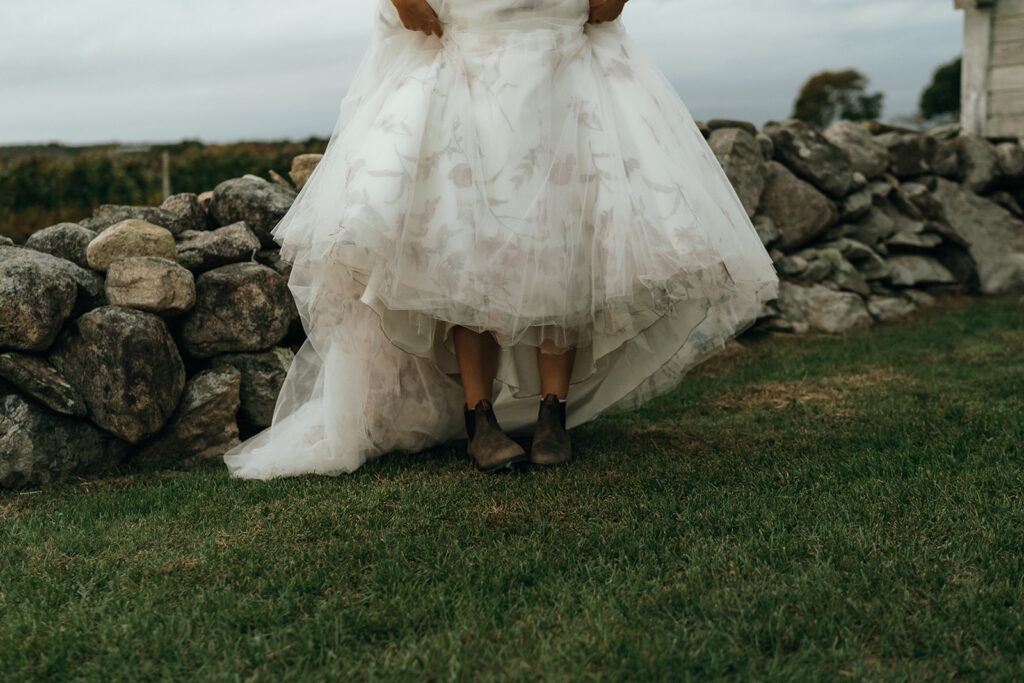
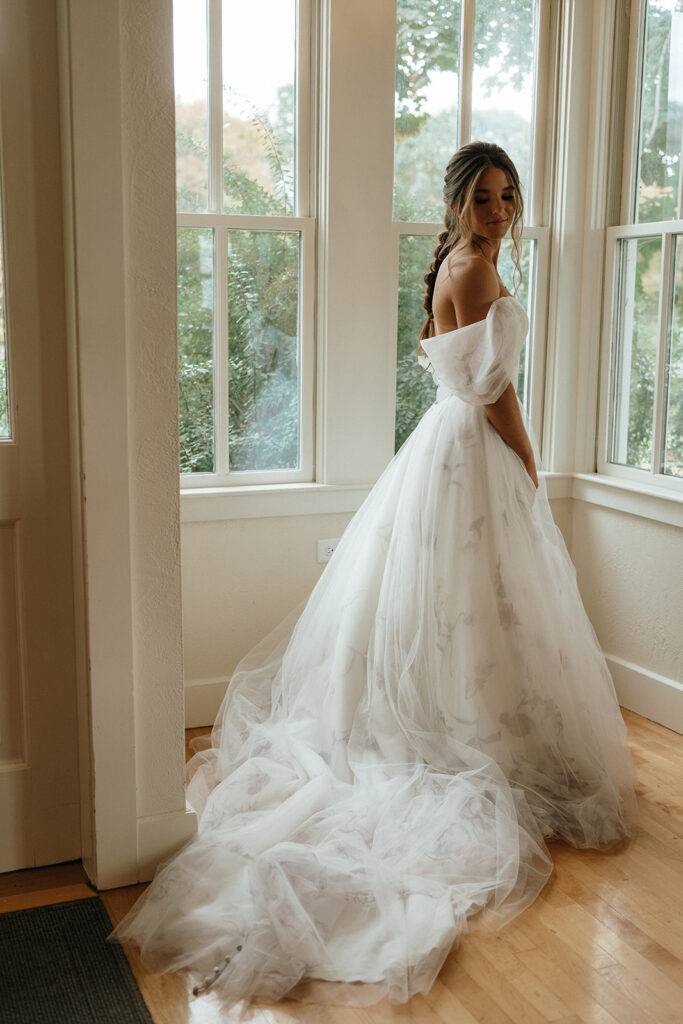
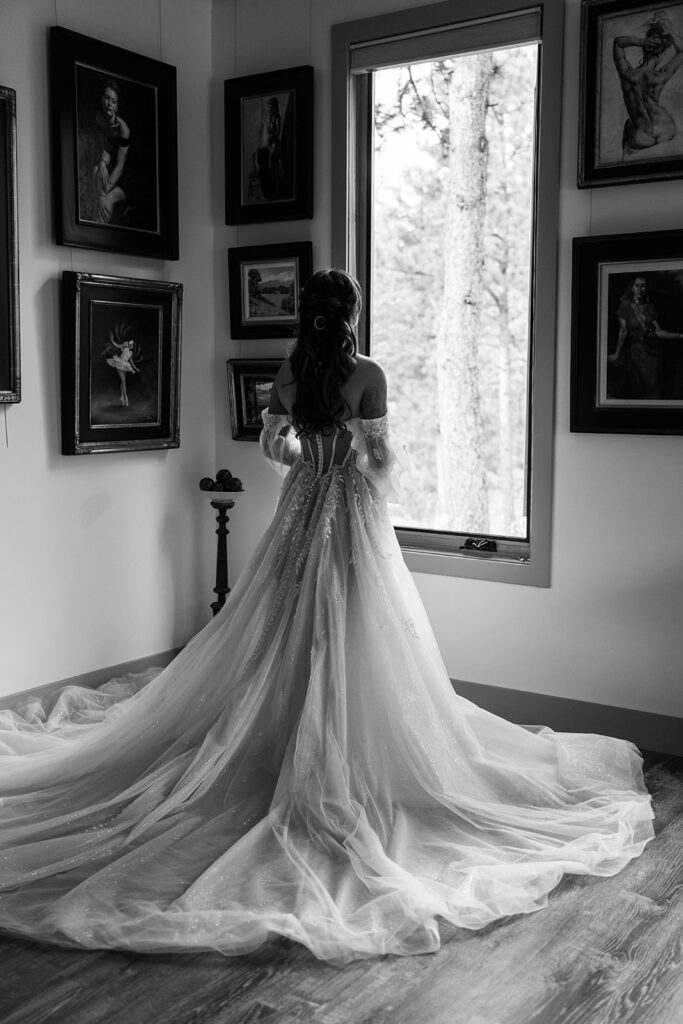
As a photographer, I notice how strongly a venue shapes the final story. The setting influences the light, movement, pace, and emotion of the day.
Picture the Full Guest Experience
Your venue should serve more than the ceremony and reception. Think about how guests will arrive, move around, and enjoy the space. Consider whether they will need lodging, transportation, or clear directions.
Ask yourself a few practical questions. Will most guests travel from out of town? Do you want everyone to stay nearby? Would you enjoy a full wedding weekend? Do you prefer one central location?
These details matter across New England. Coastal towns, mountain areas, and rural properties can require more wedding planning. A remote venue may feel private and meaningful. However, it may also need shuttles, nearby lodging, and extra travel time.
Define Your Nonnegotiables
Before reviewing dozens of venues, choose three to five non-negotiables. These priorities may include outdoor ceremony space, indoor backup space, on-site lodging, accessible pathways, privacy, flexible vendor rules, nearby hotels, strong natural light, or space for a full wedding weekend.
Your nonnegotiables will keep the search focused. Without them, every attractive venue can feel like a possibility. That often leads to confusion and decision fatigue.
Clear priorities help you compare wedding venues in New England with more confidence. They also reveal which options truly fit your day.
Decide What You Can Compromise On
Not every detail needs to be perfect. You may love a venue without on-site lodging. A nearby hotel could solve that issue. Another property may lack ocean views but offer better privacy and flexibility.
Separate your needs from your preferences. Your needs protect the experience. Your preferences shape the style.
This distinction makes the search easier. It also helps couples make decisions together. When you define the experience first, the right venue becomes easier to recognize. You stop chasing every beautiful option and start choosing with purpose.
Choose the New England Region That Fits Your Wedding
New England offers many beautiful settings, but each area creates a different experience. The best choice depends on your priorities, your guests, and the atmosphere you want.
Before you tour venues, think about travel, scenery, lodging, and season. A coastal estate feels very different from a mountain lodge. A historic city venue creates another kind of energy. Choosing the right region first can make the search far easier.
Rhode Island
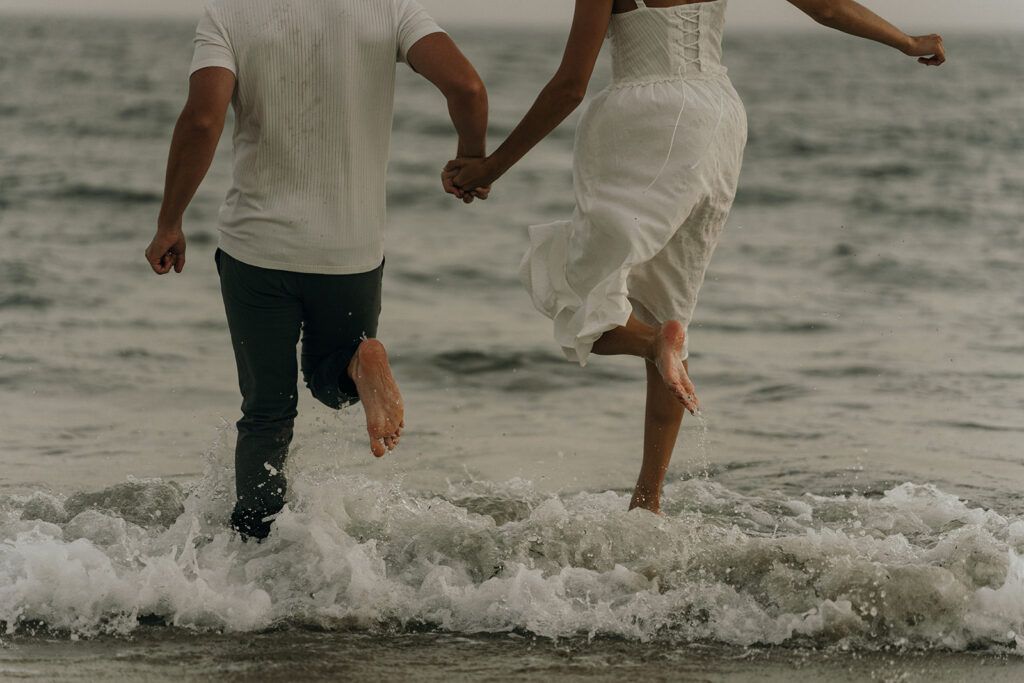
Rhode Island works beautifully for couples who want a coastal setting with convenient travel. The state feels compact, which often makes planning easier. You can find waterfront estates, historic mansions, seaside inns, and private properties within short driving distances.
Rhode Island also works well for destination weddings. Guests can stay near the venue without feeling isolated. Couples often choose the area for ocean views, historic character, and a relaxed coastal atmosphere.
Massachusetts
Massachusetts offers one of the widest ranges of New England wedding venues. Couples can choose Boston, Cape Cod, the Berkshires, or the North Shore. Each region creates a distinct experience.
Boston suits couples who want an urban celebration with strong hotel access. Cape Cod offers beaches, inns, and classic coastal charm. The Berkshires feel quieter and more scenic. Historic estates also appear throughout the state.
Connecticut
Connecticut works well for couples who want elegance and convenience. Many venues feature gardens, estates, inns, and country settings. The state also offers easy access from New York and nearby New England cities.
Southern Connecticut often suits formal celebrations. Rural areas create a softer and more private experience. Couples should compare travel time, nearby lodging, and transportation options.
Vermont
Vermont feels ideal for mountain weddings, barn celebrations, and fall weekends. The landscape creates a strong sense of place. Couples often choose Vermont for foliage, farms, ski resorts, and scenic lodges.
The state works especially well for destination weddings. Guests can stay for several days and enjoy the surrounding area. However, couples should review road access and lodging carefully.
New Hampshire
New Hampshire offers mountain views, lakes, lodges, and outdoor ceremony spaces. It suits couples who want a natural setting without losing practical access.
Mountain weather can change quickly, so indoor backup space matters. Lodging and transportation also deserve early attention. A beautiful remote venue should still feel comfortable for guests.
Maine
Maine feels dramatic, coastal, and deeply regional. Couples can choose lighthouses, private estates, lakefront properties, or seaside inns. The scenery works especially well for destination wedding weekends.
Travel may take longer in some areas. Guests may also need more planning support. Clear transportation details can make the experience much smoother.
The right region should feel aligned with your vision. It should also support your guests and your wedding timeline. Once you choose the setting, the venue search becomes much more focused.
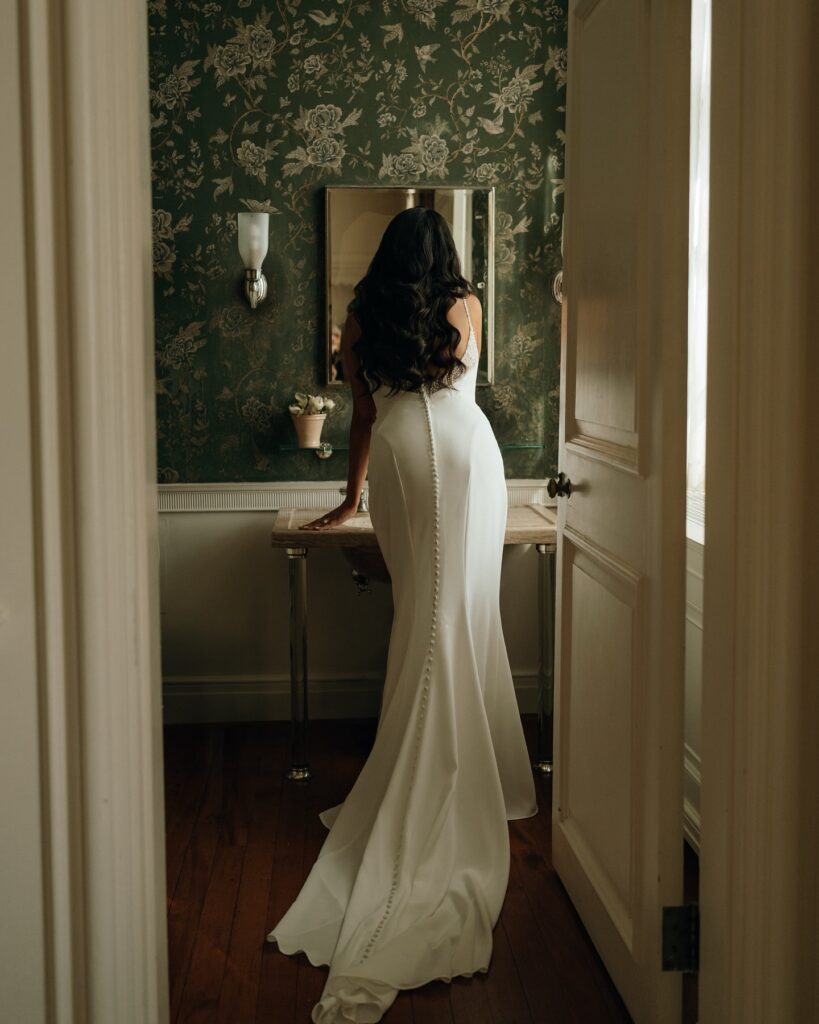
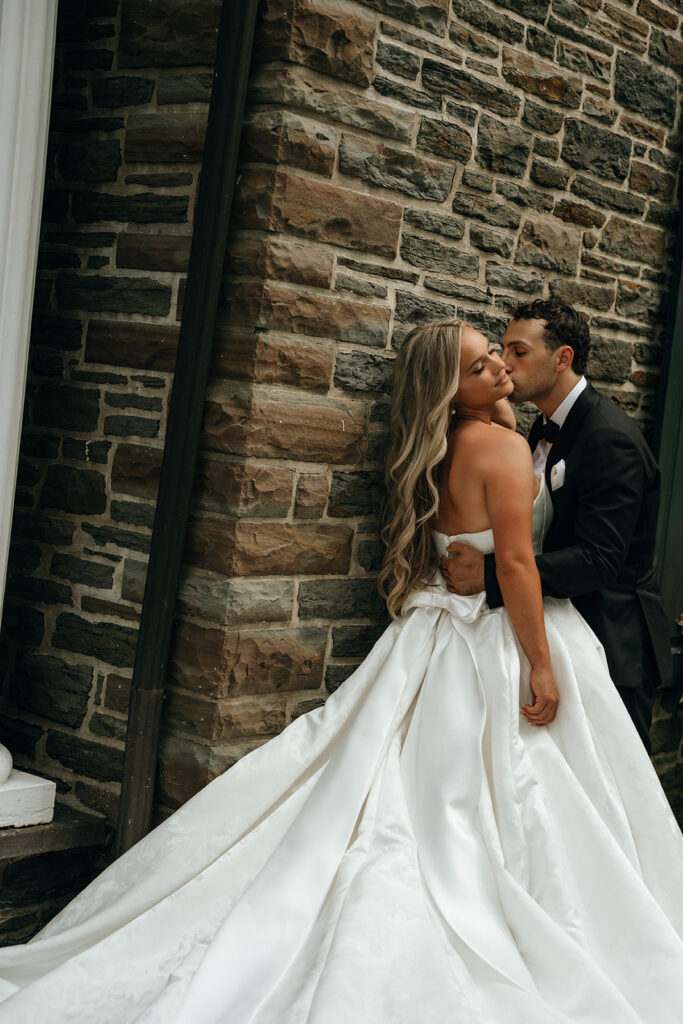
Decide Which Venue Style Fits Your Vision
Once you choose the region, think about the venue style. Each setting offers different strengths, limits, and planning needs. A venue should feel beautiful, but it should also support the full day.
Coastal and Beach Venues
Coastal venues feel open, romantic, and relaxed. They often offer strong views and beautiful evening light. However, wind, tides, and public access can affect the experience.
Ask about ceremony backup plans and sunset direction. Check whether guests need transportation. You should also confirm how private the beach area feels during the event.
Barn, Farm, and Vineyard Venues
Rustic wedding venues in New England often create a warm and welcoming atmosphere. Barns, farms, and vineyards can feel intimate and flexible. They also work well for couples who want a less formal setting.
Look closely at climate control, restrooms, and lighting. Some barns feel beautiful during the day but very dark after sunset. Accessibility and transportation also matter, especially in rural areas.
Mountain, Forest, and Outdoor Venues
Mountain and forest venues feel adventurous and peaceful. They often give couples more privacy and dramatic scenery. These spaces can work beautifully for smaller weddings or full weekend celebrations.
Road access should remain a priority. Guests may need shuttles or clear directions. Ask about indoor backup options, especially during colder or wetter seasons.
Estates, Castles, and Historic Properties
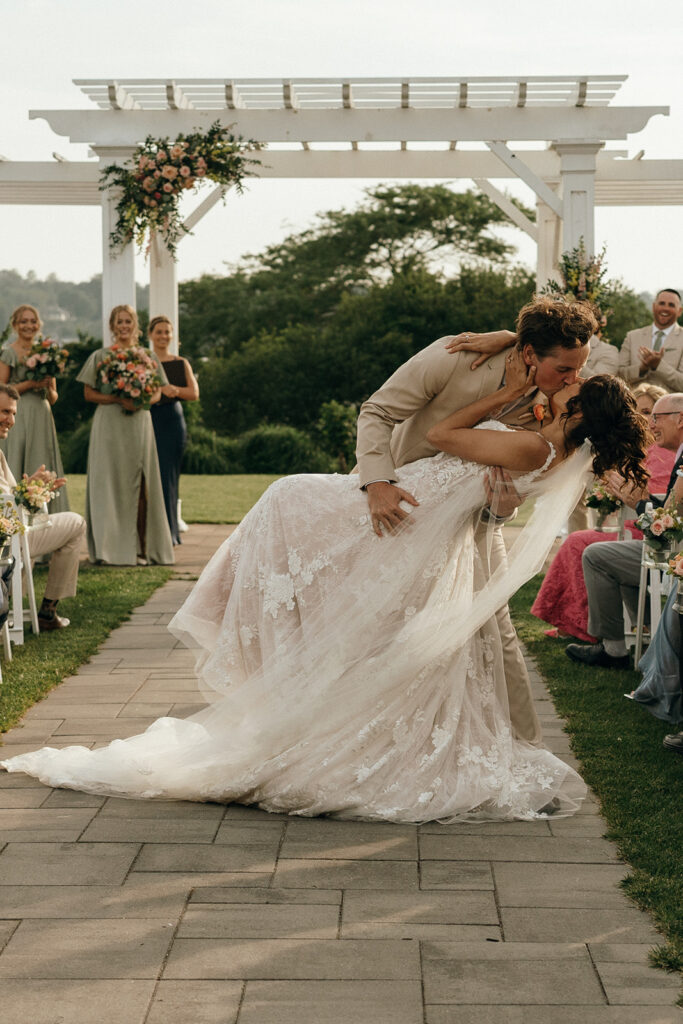
Historic venues often feel elegant and cinematic. Estates and castles can create a strong visual story without much extra décor. They also suit couples who want a more formal atmosphere.
Ask about room capacity, access hours, and photography rules. Historic properties may limit flash, candles, furniture movement, or outdoor access. These rules can affect both the timeline and the guest experience.
Greenhouses, Gardens, Breweries, and Industrial Spaces
Nontraditional venues can feel more personal and distinctive. Greenhouses and gardens offer color, texture, and natural light. Breweries and industrial spaces create a modern, relaxed atmosphere.
These venues often require more planning. Couples may need rentals, additional lighting, or stronger weather plans. The right space should support the style without creating avoidable stress.
Unique wedding venues in New England can feel memorable for the right reasons. The best option should match your vision and your practical needs. Beauty matters, but comfort, flow, and flexibility matter just as much.
Think About the Season Before You Choose
New England seasons can change the entire wedding experience. Weather affects comfort, travel, light, and how guests use the venue. Before booking, consider how the property works during your actual wedding month.
Spring Weddings
Spring can feel fresh, romantic, and full of color. However, rain and soft ground can create planning challenges.
Ask whether the venue has covered walkways, indoor ceremony space, and solid access for vendors. Garden venues may also look different early in the season. Confirm what usually blooms around your date.
Summer Weddings
Summer gives couples longer days and more outdoor options. Coastal venues can feel especially inviting during this season.
Heat, traffic, and limited shade still matter. Ask about air conditioning, fans, water stations, and backup spaces. If the venue sits near the coast, review weekend traffic and parking plans.
Fall Weddings
Fall wedding venues in New England remain popular for good reason. The foliage, cooler air, and warm colors feel memorable.
That popularity can also affect availability. Sunset arrives earlier, especially later in the season. Your ceremony time should leave enough daylight for portraits and guest movement.
Foliage timing can also vary each year. Choose the venue for its full experience, not only its autumn views.
Winter Weddings
Winter celebrations can feel intimate, elegant, and cinematic. Snowy landscapes, candlelight, and indoor gatherings can create a strong atmosphere.
Still, winter venues need reliable access and comfortable interiors. Ask about heating, snow removal, parking, and travel delays. Indoor portrait spaces also matter because daylight ends early.
A strong weather plan should feel like a real option, not a last-minute compromise. The best wedding venues in New England work well even when the weather changes.
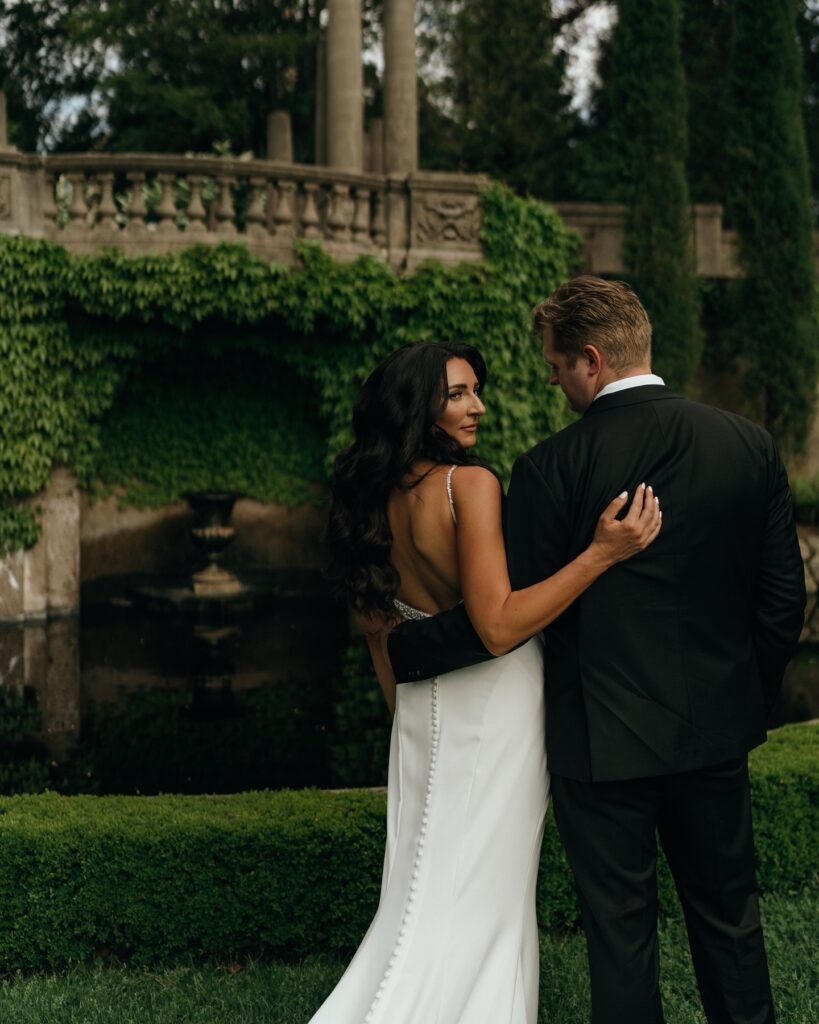
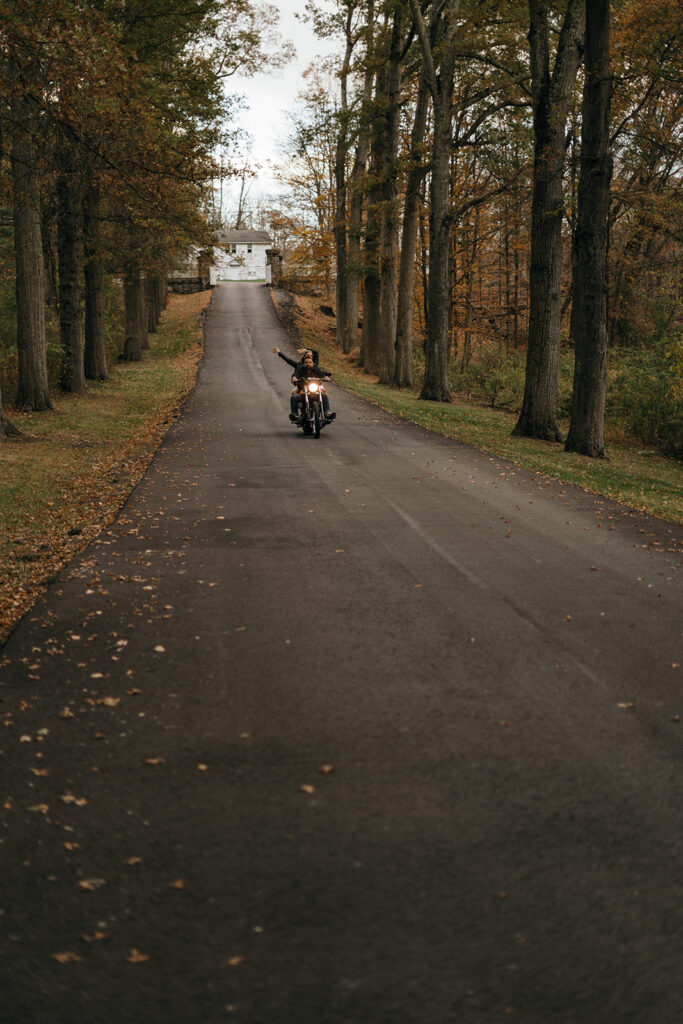
Know Your Guest Count Before You Tour
Guest count affects almost every venue decision. It shapes the room layout, ceremony setup, transportation, and overall comfort.
Do not rely only on the venue’s maximum capacity. A space may hold your guest count without feeling comfortable. Tables, a dance floor, a band, and catering stations all reduce usable space.
Ask About Capacity in Every Setup
Confirm how many guests fit during the ceremony, cocktail hour, and reception. Then ask how that number changes with a band or larger dance floor.
You should also review the rain-plan capacity. Some venues can host everyone outdoors but feel crowded inside. That difference matters when weather becomes uncertain.
Small wedding venues in New England can feel warm and personal. Larger venues can offer more flexibility and space. The right choice should match your actual guest list, not an early estimate.
Before scheduling tours, create a realistic range. That step will save time and keep the search focused.
Understand What the Venue Includes
A venue may look simple at first, but each property includes different services and amenities. Those differences can affect planning, timing, and the overall guest experience.
Before booking, ask for a clear list of what the venue provides. Some properties include tables, chairs, linens, lighting, and event staff. Others only provide the space.
Review the Included Services
Start with the basics. Ask whether the venue provides furniture, setup support, cleanup, parking, and security. You should also confirm whether the ceremony space is included.
Catering rules deserve close attention. Some venues require an in-house team. Others allow couples to choose outside vendors. Each option can shape the planning process.
Ask whether the venue provides a coordinator. A venue coordinator manages the property, not the full wedding plan. Knowing that difference can prevent confusion later.
Look for Additional Requirements
Some New England wedding venues require specific vendors, insurance, or permits. Others have rules for candles, music, décor, or alcohol.
Review those details before signing a contract. Restrictions may affect the atmosphere you want to create.
Travel and lodging requirements also matter. A remote venue may need shuttles or nearby hotel blocks. Coastal and mountain properties often require extra planning.
Compare the Full Experience
When you compare wedding venues in New England, look beyond the space itself. Consider how much support each venue provides.
One property may feel easier because it includes more services. Another may offer more freedom and customization.
The best choice depends on your priorities. Some couples want a simple process. Others prefer complete creative control.
Decide Between All-Inclusive and Flexible Venues
Some wedding venues in New England offer an all-inclusive experience. Others allow couples to build the day from the ground up.
Neither option works for everyone. The right choice depends on your planning style, priorities, and desired level of control.
All-Inclusive Venues
All-inclusive venues usually provide catering, rentals, staff, and coordination support. This approach can make planning feel more manageable.
Couples often appreciate having fewer vendors to organize. The venue may also have a clear process for the entire event.
However, packages can limit customization. You may need to choose from approved options or preferred vendors.
Ask what the package includes before booking. Also confirm which details remain flexible.
Flexible Venues
Flexible venues give couples more freedom. You may choose your own caterer, rentals, décor, and creative team.
This option works well for couples with a specific vision. It can also create a more personal experience.
However, flexibility requires more coordination. You may need to manage separate vendors, timelines, and setup plans.
A planner can help make this process smoother. Clear communication also matters.
Choose the Planning Style That Feels Right
Think about how involved you want to be. Do you enjoy making detailed decisions? Would you rather follow a simple structure?
An all-inclusive venue can reduce planning pressure. A flexible venue can offer more creative freedom.
Choose the option that supports your relationship, your schedule, and your wedding vision.
Consider Lodging and the Full Guest Experience
A wedding venue shapes more than the ceremony and reception. It also affects how guests arrive, stay, and move through the weekend.
Start by checking nearby lodging. Some New England wedding venues offer rooms on-site. Others rely on hotels, inns, or rental homes nearby. Either option can work well with a clear plan.
Make Travel Feel Simple
Think about how far guests will travel from airports, train stations, or major highways. Remote venues can feel private and memorable. They can also create transportation challenges.
Ask whether the venue offers parking, shuttle access, or preferred transportation partners. Clear travel details help guests feel more relaxed.
Think Beyond the Wedding Day
Many couples want more than a single event. A welcome dinner, after-party, or farewell brunch can make the weekend feel complete.
Check whether the venue allows extra gatherings. Also ask about noise limits, curfews, and check-in times.
New England wedding venues with lodging often work well for destination celebrations. They keep guests close and reduce travel between events. Still, review room minimums and accessibility before booking.
The right venue should support the full experience. Guests should feel comfortable, informed, and included from arrival through departure.
Where Should You Actually Look for Wedding Venues?
Finding the right venue often starts with a broader search than most couples expect. Large directories can help, but they rarely show the full picture.
Search by Region and Venue Type
Use specific phrases instead of one broad search. Try combinations such as coastal wedding venues in Rhode Island or mountain venues in Vermont.
You can also search by style. Look for estate, garden, barn, lighthouse, forest, or greenhouse venues. These searches often reveal places that larger lists overlook.
Review Full Wedding Galleries
Venue websites usually show polished images from ideal conditions. Full wedding galleries reveal how the property works during a real event.
Look at ceremony light, reception flow, weather backup spaces, and guest movement. Notice how each area feels throughout the day.
Photographer blogs can be especially helpful. They often show getting-ready rooms, portrait locations, and nighttime reception spaces.
Ask Local Photographers and Planners
Local professionals usually know which venues run smoothly. They also understand access, lighting, timelines, and weather challenges.
A photographer may know which properties offer strong indoor options. A planner can explain vendor rules, setup limits, and guest logistics.
Search Beyond Venue Directories
Explore regional wedding publications, tourism websites, historic-property lists, and boutique hotel sites. Google Maps can also uncover less obvious options.
Instagram location tags may provide recent images from real events. However, confirm every detail with the venue directly.
The best wedding venues in New England are not always the most visible online. A thoughtful search can reveal places that feel more personal.
Questions to Ask Before Booking a Venue Tour
A venue tour should give you more than a first impression. Use the visit to understand how the property works during a full wedding day.
Ask About Access and Timing
Confirm when you, your vendors, and your wedding party can arrive. Ask when setup can begin and when the event must end.
You should also ask whether rehearsal access is included. Limited access can affect the timeline and overall pace.
Review the Weather Plan
Ask to see the exact backup space. Do not rely only on a verbal description.
Make sure it fits your guest count and your ceremony setup. Also ask who makes the final weather decision.
Understand Vendor Rules
Confirm whether the venue requires approved vendors. Ask about catering, music, décor, candles, and alcohol policies.
Some properties also restrict drones, confetti, open flames, or live bands. These rules may affect your plans.
Consider the Guest Experience
Check parking, restrooms, accessibility, and transportation. Ask whether guests can move easily between event spaces.
Also review nearby lodging and shuttle options. These details matter more at remote wedding venues in New England.
Ask About Photography Access
Find out where portraits can happen and when those spaces remain available. Ask about sunset access and indoor alternatives.
Historic venues may limit flash or room access. Coastal properties may restrict beach use during certain hours.
Clear answers help you compare venues with confidence. They also reveal whether the space supports your full wedding experience.
Create a Shortlist Instead of Relying on Memory
After several venue tours, the details can start to blur together. One ballroom may resemble another. A beautiful ceremony view can distract from practical concerns.
Create a simple comparison sheet for every venue. Review each option while the visit still feels fresh. This approach helps you compare wedding venues in New England with greater clarity.
Compare the Same Priorities Every Time
Use the same categories for each venue. Consider the overall atmosphere, guest experience, location, weather plan, vendor flexibility, and photography options.
Pay attention to how the property feels in person. Does the layout support the day you imagine? Can guests move between spaces with ease? Does the backup plan still feel special?
Write down any concerns before leaving. Small details can become important later.
Take Useful Photos and Notes
Photograph the ceremony space, reception room, getting-ready areas, and weather backup location. Capture parking areas and pathways when accessibility matters.
Record important rules and restrictions. Include access times, lodging options, vendor requirements, and photography limits.
Avoid relying only on the venue brochure. Your own notes will reflect the experience that matters to you.
Notice How the Venue Makes You Feel
Practical details matter, but your emotional response also deserves attention. Did the venue feel calm, welcoming, and aligned with your vision?
Excitement alone should not make the decision. However, the right venue should feel meaningful.
A clear shortlist balances emotion with practical needs. That balance makes the final decision feel more confident and less overwhelming.
Frequently Asked Questions About Wedding Venues in New England
What Is the Best New England State for a Wedding?
The best state depends on the setting and experience you want. Rhode Island and Maine suit coastal celebrations. Vermont and New Hampshire work well for mountain weddings. Massachusetts offers strong variety, while Connecticut provides convenient access and elegant estates.
How Far in Advance Should We Book a New England Wedding Venue?
Popular dates often book early, especially during fall and summer weekends. Start your search once you know your preferred season, guest range, and region. Greater flexibility usually opens more options.
What Should We Look for in an Outdoor Wedding Venue?
Focus on the weather plan, guest comfort, accessibility, and power access. Ask about indoor backup space, shade, restrooms, and transportation. The backup option should still feel intentional and beautiful.
Are Wedding Venues With Lodging Worth It?
They can make the weekend easier for guests and reduce travel between events. On-site lodging also supports welcome dinners, after-parties, and brunches. Review room requirements, accessibility, and check-in timing before booking.
How Can We Tell Whether a Venue Will Photograph Well?
Look for natural light, clean getting-ready spaces, and nearby portrait locations. Review full wedding galleries instead of only styled images. Ask about indoor options, sunset access, and photography restrictions.
Should We Visit the Venue During the Same Season as Our Wedding?
A seasonal visit can reveal useful details about light, landscaping, weather, and access. However, that timing may not always be possible. Ask for galleries from the same month and review the venue’s backup plans.
Ready to Find a Venue That Feels Like You?
The right venue should feel beautiful, practical, and true to your relationship. It should support your guests, your timeline, and the atmosphere you want to create.
As a New England wedding photographer, I look at venues through both an emotional and practical lens. Light, movement, weather, and access all shape how the day feels.
Once you have a few wedding venues in New England in mind, take time to review real galleries. Notice how each space looks throughout a full wedding day.
Explore my New England wedding portfolio for more inspiration. You can also get in touch to share your plans, your date, and the kind of experience you want to create.


